


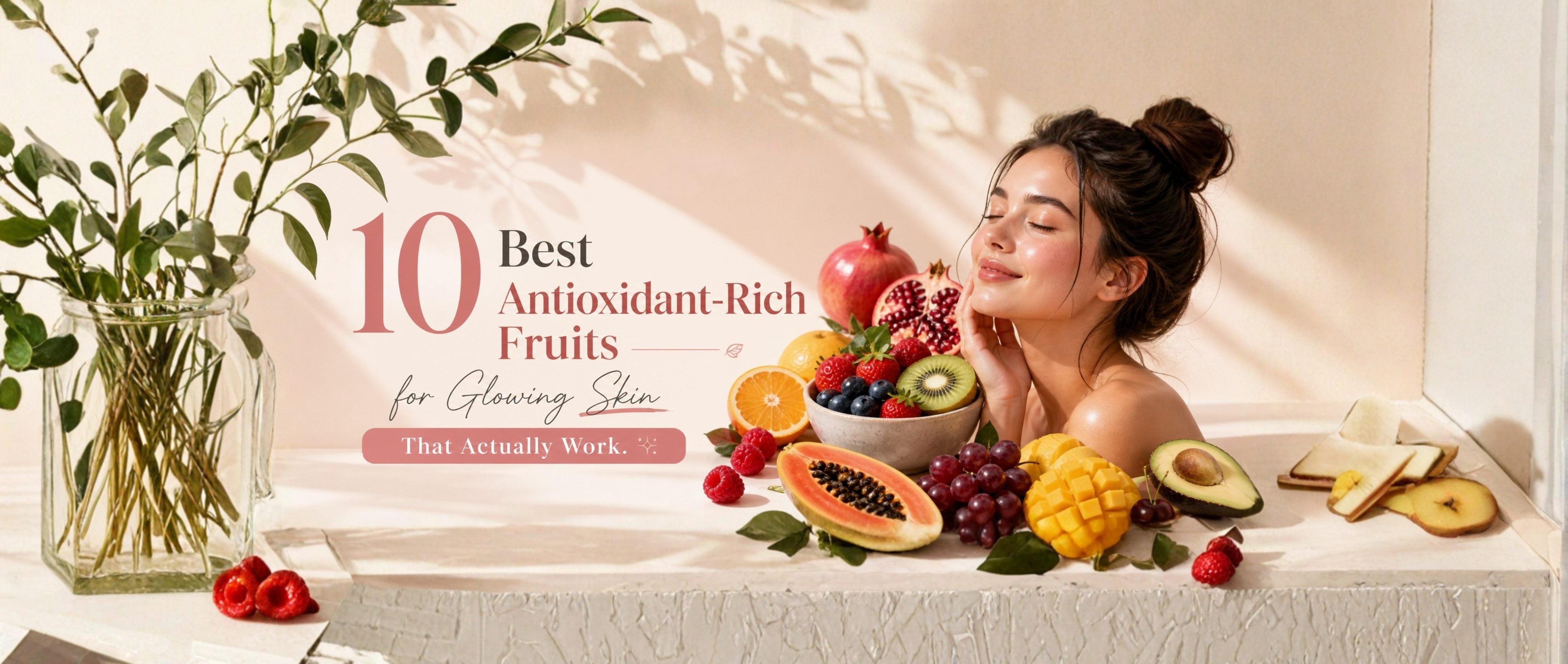
10 Best Antioxidant-Rich Foods for Glowing Skin That Actually Work
Most people spend a lot of money on skincare products, including serums, creams, and SPF. However, they often overlook the most powerful thing they can do for their skin: eat better. No topical product can fully make up for a diet lacking the nutrients your skin needs to repair and shine from the inside out. That’s why antioxidant-rich foods for glowing skin are essential. Antioxidants neutralise free radicals, which are unstable molecules triggered by sun exposure, pollution, stress, and a poor diet. These free radicals break down collagen and speed up visible ageing. The right foods nourish your body and reflect on your face. This guide presents the ten best options, explains why they work, and shows how to eat them effectively for the best skin results.
Why Antioxidant-Rich Foods Are the Foundation of Glowing Skin![]()

Before diving into the list, it’s helpful to understand how this works. Your skin faces constant oxidative stress. UV rays, environmental pollutants, processed foods, and even intense exercise create free radicals that damage skin cells, break down collagen fibres, and cause inflammation. Over time, this results in dullness, uneven tone, fine lines, and loss of elasticity.
Antioxidants protect the skin by donating electrons to these unstable molecules, neutralising them before they cause harm. Different antioxidants target various types of oxidative stress, which is why a varied diet is more beneficial than relying on one "superfood." Vitamins C and E, beta-carotene, selenium, polyphenols, and flavonoids all contribute uniquely to skin protection and regeneration.
The good news is that many of the strongest antioxidant sources are also tasty, widely available, and easy to include in your daily routine—whether you eat them before meals, after meals, or as snacks.
1. Blueberries, Small But Nutritionally Formidable
The Anthocyanin Advantage
Blueberries rank among the highest in antioxidant content of all commonly consumed fruits. Their deep blue-purple colour comes from anthocyanins, a class of flavonoids with strong free-radical scavenging activity. These compounds not only neutralise oxidative stress but also help maintain the capillary walls that deliver oxygen and nutrients to skin cells, which directly affects skin tone and brightness.
Anthocyanins have anti-inflammatory properties, making blueberries helpful for those with skin prone to redness, breakouts, or sensitivity. Chronic low-grade inflammation significantly contributes to premature skin ageing, and dietary changes that reduce it often show visible results over time.
Blueberries are also a good source of vitamins C and E, which work together. Vitamin C helps regenerate oxidised vitamin E, extending its protective effects in the skin's lipid layers.
How to eat them: A handful added to your morning oats or yoghurt is sufficient. Frozen blueberries retain their anthocyanin content and are practical year-round.
2. Avocado, Healthy Fats That Skin Truly Needs
Why Fat Is Not the Enemy When It Comes to Skin
Avocado is celebrated for its monounsaturated fat content, but its antioxidant profile is also noteworthy. It is rich in vitamin E, a vital fat-soluble antioxidant for skin health. Vitamin E shields the skin's lipid barrier from oxidative damage, helps retain moisture, and reduces inflammation from UV exposure.
In addition to vitamin E, avocado contains lutein and zeaxanthin, carotenoid antioxidants typically linked to eye health but also important for protecting the skin from light-induced oxidative damage. The healthy fats in avocado enhance the absorption of fat-soluble antioxidants from other foods eaten during the same meal, making it a beneficial "carrier" food in a skin-focused diet.
Avocado also provides glutathione, often referred to as the body's "master antioxidant," which assists with cellular detoxification and has been studied for helping maintain an even skin tone.
How to eat them: Avocado is a great fruit to eat before a meal rich in carotenoids, like a salad with tomatoes and carrots, because its fats significantly boost carotenoid absorption.
3. Pomegranate, The Anti-Ageing Fruit Worth Taking Seriously
Punicalagins, Ellagic Acid, and Why They Matter
Pomegranate is one of the most antioxidant-dense fruits and is well-studied for skin health. Its key compounds—punicalagins and ellagic acid—are powerful polyphenols that can protect collagen from breaking down and reduce UV-induced skin damage according to research.
Ellagic acid is particularly noted for its potential to inhibit melanin overproduction, which is the cause of dark spots and uneven pigmentation. While this does not replace sun protection, consuming pomegranate regularly provides a valuable layer of support for skin tone.
Pomegranate juice has also been shown to help mitochondrial health in skin cells, impacting how efficiently cells regenerate—a process that slows down noticeably with age.
How to eat them: Pomegranate arils (the seed cases) are best eaten fresh. The juice is convenient but can be high in natural sugar, so opt for whole fruit when possible or unsweetened pressed juice.
4. Spinach, The Leafy Green That Delivers on Multiple Fronts
Vitamins A, C, and Folate in One Go
Spinach is packed with several antioxidants beneficial for skin: beta-carotene (a precursor to vitamin A), vitamin C, lutein, and folate. Each of these supports different aspects of skin health.
Beta-carotene converts into vitamin A in the body, which regulates skin cell turnover. Without enough vitamin A, skin can become rough and dull and is more likely to clog pores. The body needs vitamin A to shed old, damaged skin cells efficiently and replace them with fresh ones, which is essential for achieving that "glow" many people try to replicate with exfoliation.
Vitamin C in spinach promotes collagen production, while lutein protects against UV-induced oxidative stress. Folate aids in DNA repair in skin cells, which becomes increasingly important with age and sun exposure.
How to eat it: Raw spinach in salads retains more vitamin C. Lightly cooked spinach makes beta-carotene easier to absorb. Both can be included in a skin-focused diet.
5. Tomatoes, Lycopene and the Sun Protection Story
Why Lycopene Is One of the Most Studied Skin Antioxidants
Tomatoes are the main dietary source of lycopene, a carotenoid antioxidant that builds up in the skin and offers some internal protection from sunlight. Studies show that people with higher lycopene levels in their skin have better resistance to UV-induced redness and DNA damage.
This does not mean you should skip sunscreen. It suggests that a diet high in lycopene adds an extra layer of protection from within, which is a valuable long-term benefit for skin health and cancer prevention.
Lycopene is also linked to improved skin texture and density, likely by protecting collagen from UV and oxidative breakdown. Interestingly, lycopene is more absorbable from cooked or processed tomatoes than from raw ones, as heat breaks down the plant cell walls that limit absorption.
How to eat them: Cooked tomatoes with fat (like olive oil or avocado) are the best way to absorb lycopene. Tomato paste and passata are among the highest lycopene sources available.
6. Papaya, Enzyme-Rich and Vitamin C-Dense
Papain, Vitamin C, and Skin Renewal
Papaya earns its spot on this list for several reasons. It is one of the richest sources of vitamin C, which is crucial for collagen synthesis. Papaya also contains beta-carotene, folate, and a unique enzyme called papain.
Papain is a proteolytic enzyme that breaks down inactive proteins. In skincare terms, this means it helps gently remove dead skin cell buildup and maintain clear, smooth skin. Regular consumption of papain also aids digestion, and since gut health is linked to skin clarity, this benefit adds up.
Papaya also provides vitamin A and vitamin E, making it one of the most comprehensive antioxidant sources available in a single fruit. For those looking for fruits to eat before meals as a digestive primer, papaya is a great choice—especially in the morning on an empty stomach, where its enzyme activity is most effective.
How to eat it: Fresh, ripe papaya is best. Half a medium papaya supplies a significant portion of the daily vitamin C requirement.
7. Green Tea – A Beverage, But Deserves Mention
EGCG and Its Effect on Skin Functioning Cell-By-Cell
Although green tea should properly belong to the category of beverages, not foods, due to its significant content of antioxidants useful for the skin, neglecting this item would definitely mean leaving out something valuable from the list. Green tea is the top dietary source of epigallocatechin gallate (EGCG) – one of the catechins characterised by high anti-inflammatory properties.
Several scientific studies focused on investigating the benefits of EGCG have established that this compound is capable of reducing the negative effects of ultraviolet exposure on the skin, preventing excessive sebum production (thus preventing acne) and controlling keratinocyte functioning. Some studies even revealed the capacity of EGCG to inhibit collagenase, an enzyme responsible for breaking down collagen, thus contributing to the aging process.
Consumption tips: 2-3 cups of regular green tea per day can become a healthy habit for many people. Matcha (powdered form of green tea) delivers much more EGCG per single serving and can be used in drinks or baking products.
8. Kiwi – The Vitamin C Content Is Higher Than Many Citrus Fruits (Per Gram)
The Collagen Building Fruit You Probably Are Not Eating
Kiwis have one of the highest contents of vitamin C per gram among all foods. In terms of skin specifically, this is important since vitamin C is the rate-limiting factor of collagen formation. When there is not enough vitamin C, the body is unable to produce collagen, which is responsible for the youthful, supple state of your skin.
Additionally, kiwis are rich in vitamin E, contain polyphenols and are a source of vitamin K. Besides, kiwis are known to be very high in actinidin, an enzyme that performs a very similar task as papain does in digesting proteins and aiding gut health, which in turn helps the gut-skin axis.
Since kiwis are high in both vitamin C and vitamin E, they are especially potent because, as mentioned before, these two vitamins have a synergy and vitamin C regenerates vitamin E.
How to consume: Kiwis are one of the best fruits to have before food or as a mid-morning snack between meals, due to their enzyme activity and efficient vitamin C absorption on an empty stomach.
9. Dark Chocolate — A Genuine Antioxidant Source When Chosen Carefully
Flavanols and Why the Cocoa Percentage Matters
Dark chocolates, particularly those that contain 70% or more cocoa content, feature substantial amounts of flavanols such as epicatechin and catechin. Flavanols were proven beneficial for skin hydration, circulation, and protection from UV radiation in recent scientific investigations.
Flavanols present in dark chocolates promote improved circulation within the skin, thus influencing the oxygen supply and nutrients required to keep the skin healthy. For instance, in one study, the effects of flavanol-rich cocoa on skin density, hydration, and redness caused by exposure to UV light were investigated, and it was discovered that test subjects experienced positive changes after 12 weeks of taking the flavanol-rich cocoa daily.
The crucial thing to remember here is that only high-quality dark chocolate can provide the needed antioxidant activity because milk and white chocolates cannot.
How to eat it: A 20–30g serving of good-quality dark chocolate a few times a week is a practical and enjoyable way to access its skin benefits without overconsumption of sugar and saturated fat.
10. Walnuts — Omega-3s and Antioxidants Working Together
The Fatty Acid and Polyphenol Combination
Unlike other nuts, walnuts are rich in omega-3 fatty acids (alpha-linolenic acid) and polyphenolic antioxidants found in their outer shell. The omega-3 fatty acids play an important role in maintaining the integrity of the lipids in the stratum corneum, which helps protect the skin from irritation and dehydration. If there is damage to the lipid barrier, the skin becomes dehydrated, sensitive, and irritated.
The polyphenolic compounds, mainly ellagitannins, have anti-inflammatory effects and, therefore, help combat chronic inflammation. This, in turn, can prevent skin deterioration. Both omega-3 fatty acids and polyphenols target the two main reasons for skin deterioration: inflammation and barrier dysfunction.
Another beneficial compound present in walnuts is selenium, an essential trace mineral with antioxidant capabilities. Selenium participates in the metabolism of proteins and is involved in the synthesis of the enzyme glutathione peroxidase, which is crucial for antioxidant defence mechanisms. Low levels of selenium can cause hypersensitivity reactions and impaired wound healing in the skin.
How to eat them: 28-30 grams per day will provide you with these beneficial effects without overloading your diet with calories. Walnuts are perfect for snacks in the middle of the day, or you can add them to various salads or grains.
Is Timing Important While Consuming These Foods? Fruits Before/After Meals

This is another frequently asked question that needs to be addressed explicitly, especially about fruits and whether consuming fruits before meals or after meals makes a difference in terms of nutrient absorption.
Fruits to Consume Before Meals
There are certain fruits that you should eat before food, and this is more of an exception than a rule. Here are some examples where there are scientific reasons behind why you should consume fruits before meals:
- Papaya and kiwi contain digestive enzymes (papain and actinidin, respectively) that work most effectively before other foods dilute stomach acid and enzyme activity.
- Vitamin C-rich fruits like kiwi and citrus, when eaten before a meal, enhance non-heme iron absorption from the meal that follows — a meaningful benefit for skin (iron is needed for oxygen delivery to skin cells).
- Watermelon and other high-water fruits digest rapidly and are best eaten on their own or before lighter meals to avoid fermentation in the gut.
Fruits to Eat After Food
Certain fruits are better consumed either along with or after eating other foods:
Avocado and tomatoes are best when consumed either with or after eating other foods that contain fats, since fat-soluble antioxidants such as lycopene and lutein have increased chances of being absorbed when fats are consumed alongside them.
- Dark fruits such as blueberries and pomegranate seeds may be eaten whenever desired, but go well when consumed either alongside or after eating proteins and fats as these help to slow down sugar absorption.
- Walnuts work best as snacks between meals or even when included in a meal and not consumed after meals.
- Mangoes are often consumed post-meals due to their natural enzymes, such as amylase and lipase, that aid in the breakdown of carbs and proteins, thereby facilitating easier digestion and preventing bloating.
It should be remembered that water-soluble antioxidants (vitamin C and most polyphenols) are best absorbed at all times, whereas fat-soluble antioxidants (vitamin E and beta carotene) require fat for efficient absorption.
Building a Skin-Focused Diet: What to Prioritise Day to Day
All ten listed foods should be considered a part of the constantly changing nutritional routine rather than just some additions to an unhealthy nutrition regimen. The following tips may help build a daily antioxidant consumption schedule without much fuss:
- Mornings: Papaya or kiwi taken before breakfast will kick off the process by activating enzymes responsible for digestion. Blueberries combined with oats or yoghurt will contribute anthocyanins.
- Noon: It is necessary to have a salad that will include spinach, tomato, and avocado with olive oil, as this combination contains vitamins C, lycopene, beta-carotene, and vitamin E, along with fats required for effective absorption.
- Afternoon: A few pieces of walnuts and squares of dark chocolate will contribute flavanols, omega-3 fatty acids and selenium.
- Eves: Tomato-based sauce will be a great source of lycopene, while pomegranate arils may be used as a delicious topping for dessert.
- During the day: Two to three cups of green tea taken during the day will provide steady doses of EGCG.
It is important to understand that this is just a pattern that must be followed rather than an exact meal plan.
Conclusion: Feed Your Skin From the Inside Out
Healthy skin is a sign of good health, and healthy eating is one way to maintain good health. There are ten foods that are loaded with antioxidants to provide glowing skin. This list includes blueberries, avocado, spinach, tomatoes, kiwi, papaya, pomegranate, dark chocolate, walnuts, and green tea. Unlike buying another face serum, these foods can be found easily and their use leads to visible changes.
The main difference is that the effect of antioxidants obtained through food occurs systemically. Skin cells receive necessary nutrients to avoid any damage, while collagen is being produced and inflammation is being reduced. At the same time, blood flow increases, so that your skin is well-fed. It will take more time than using a face mask, but the results will be better.
Start with the simplest things. Take two or three products from the above-mentioned list and start using them in your everyday life. These foods can really help you because your skin works hard to protect you.



Share:
8 Powerful Health Benefits of Frozen Elderberries You Need to Know
Top 10 Hair Growth Fruits That Strengthen Roots and Reduce Hair Fall Naturally