


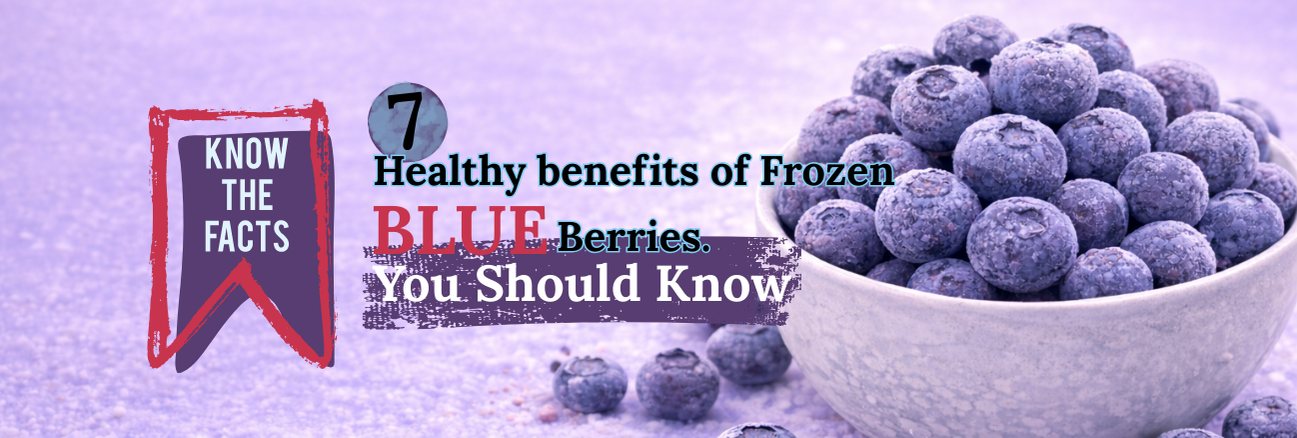
7 Healthy Benefits of Frozen Blueberries You Should Know
Blueberries are often called a “superfruit,” and freezing them doesn’t lessen their benefits. In fact, when handled correctly, frozen blueberries can be one of the most reliable and convenient ways to add nutrition to your daily diet. The seven healthy benefits of frozen blueberries come from harvesting them at peak ripeness and freezing them quickly to keep their flavor, color, and nutrients. This makes them available year-round, without depending on long supply chains or preservatives.
In this blog, we will outline the seven healthy benefits of frozen blueberries, explain the nutrients they contain, and guide you on choosing frozen blueberry products that truly offer health benefits instead of hidden sugar or fillers. Whether you’re blending smoothies, topping breakfast bowls, or baking, this guide will help you make smarter, healthier choices with confidence.

Why the 7 Healthy Benefits of Frozen Blueberries Matter
Fresh blueberries are delicate. Once harvested, they start losing nutrients because of heat, light, and oxygen. Freezing slows this process right away and locks all the nutrients and keeps it better than fresh.
Why freezing blueberries works:
- They are usually frozen soon after harvest.
- Low temperatures slow nutrient loss.
- No preservatives are needed to keep them fresh.
This makes frozen blueberries a reliable choice for consistent nutrition, no matter the season.
1. Frozen blueberries are rich in Antioxidants That Support Cellular Health
One of the most important points about the 7 healthy benefits of frozen blueberries is their antioxidant content.
Why Frozen blueberries stand out:
- Naturally rich in anthocyanins
- Help fight oxidative stress
- Support long-term cellular health
These antioxidants remain stable when frozen, so frozen blueberries keep much of their protective value.
2. Frozen blueberries support brain health and Cognitive Function
Blueberries are well-known for their positive effects on brain health, and frozen blueberries provide the same benefits.
How frozen blueberries help:
- Antioxidants support healthy blood flow.
- They may help protect brain cells from oxidative damage.
- Frozen blueberries fit easily into daily routines as smoothies or snacks.
Consistency matters more than how they are consumed, and frozen blueberries make it easier to include them regularly.
3. Frozen blueberries are packed with Essential Vitamins and Minerals
Knowing the nutrients in frozen blueberries helps explain their health benefits.
Key nutrients in Frozen Blueberry:
- Vitamin C for immune support
- Vitamin K for bone and blood health
- Manganese for metabolism
Freezing keeps these nutrients intact by slowing down the breakdown that occurs when storing fresh fruit.
4. Frozen blueberries support heart health naturally
Another major highlight among the 7 healthy benefits of frozen blueberries is their support for cardiovascular health.
Heart-friendly properties:
- Contains soluble fiber
- Naturally low in sodium
- Rich in antioxidant compounds linked to heart health
Including blueberries regularly fits well with heart-conscious eating patterns.
5. Frozen blueberries help with Digestion and Gut Health
Frozen blueberries benefit digestive health with their fibre and natural compounds.
Digestive benefits:
- Supports regular bowel movements.
- Feeds good gut bacteria.
- Helps control blood sugar absorption.
Since frozen blueberries are unprocessed, they keep their natural fibre structure.
6. Frozen blueberries Supports Weight Management and Balanced Energy
Frozen blueberries are low in calories but high in flavor and volume.
Why this matters:
- They add natural sweetness without extra sugar.
- They help cut down on processed snacks.
- They support a steady release of energy.
They’re especially helpful in smoothies and breakfast bowls where fullness is important.
7. Convenient, Clean, and Available Year-Round
The final point in the 7 healthy benefits of frozen blueberries is practicality.
Why convenience supports better health:
- Less food waste.
- No rush to use before spoilage.
- Easy portion control.
When healthy food is always available, it becomes easier to stick to better eating habits.
How to Choose Frozen Blueberries the Right Way
Not all frozen blueberries have the same quality. Knowing what to look for will help you keep both nutrition and taste.
Checklist for choosing frozen blueberries:
- The ingredient list should say only “blueberries.”
- Avoid added sugar or syrups.
- Look for individually quick frozen (IQF) berries.
Avoid excessive ice crystals or clumping. These signs indicate better freezing methods and cleaner products.
Frozen vs Fresh Blueberries: A Practical View
Fresh blueberries are excellent when they are really fresh. However, frozen blueberries provide consistency.
When frozen makes more sense
- Long storage without nutrient loss.
- Predictable taste and texture.
- Reliable nutrition across seasons.
Health is built on habits, not rare perfect choices.
Final Thoughts: Are Frozen Blueberries Healthy?
Absolutely. When chosen carefully, the 7 healthy benefits of frozen blueberries make them a smart choice for everyday diets. They provide antioxidants, important nutrients, digestive support, and unmatched convenience, all without added sugar or preservatives.
If you want to eat better without complicating your food options, frozen blueberries are a simple and effective solution.

Share:
8 Healthy Benefits of Frozen Strawberries You Should Know
9 Health Benefits of Frozen Mulberry You Should Know