


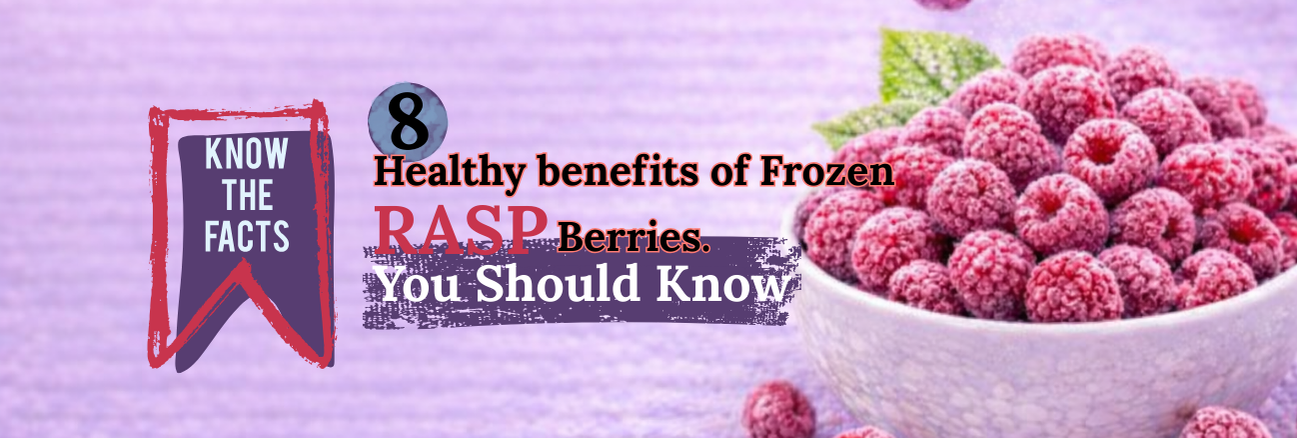
8 Healthy Benefits of IQF Raspberries You Should Know
Raspberries are packed with nutrients, but they are also fragile and available only during certain seasons. IQF (Individually Quick Frozen) technology changes that. The 8 healthy benefits of IQF raspberries come from freezing the berries quickly at their peak ripeness. This process locks in their nutrition, color, and flavor without using preservatives. Unlike traditional slow freezing, IQF keeps each berry separate, making it easy to portion and use directly from the freezer.
In this blog, we will outline the 8 healthy benefits of IQF raspberries, answer the common question, “Are frozen raspberries healthy?”, explore the nutritional value of IQF raspberries, and share tips for adding frozen raspberries to your diet. If you're looking for a simple, clean, and consistent way to improve your diet, this guide will help you decide if IQF raspberries should have a regular place in your freezer.
Why the 8 Healthy Benefits of IQF Raspberries Matter
Fresh raspberries start to lose quality shortly after they are picked because of their soft structure and high moisture content. IQF freezing solves this problem effectively.
What Makes IQF Different:
- Berries are frozen individually, not in blocks.
- Freezing occurs quickly after harvest.
- Texture and nutrients are better preserved.
This process shows why the 8 healthy benefits of IQF raspberries are closely tied to both nutrition and usability.
Are Frozen Raspberries Healthy? A Clear Answer
Yes. When frozen using IQF methods and without added sugar, raspberries stay highly nutritious.
Why IQF frozen raspberries are healthy
- No preservatives needed.
- Minimal nutrient loss.
- Easier to consume regularly.
Health benefits depend less on “fresh vs frozen” and more on how quickly fruit is processed after harvest, which is where IQF shines.
1. Rich in Dietary Fibre for Digestive Health
The first of the 8 healthy benefits of IQF raspberry is its fibre content.
Why fibre matters
- Supports regular digestion.
- Helps maintain gut health.
- Promotes satiety.
Raspberries are among the highest-fibre berries, and freezing does not lower fibre levels.
2. High in Antioxidants That Support Cellular Protection
IQF raspberries are rich in natural antioxidants, including anthocyanins and ellagic acid.
Antioxidant benefits:
- Help neutralize free radicals.
- Support long-term cellular health.
- Contribute to reduced oxidative stress.
Freezing stabilises these compounds by slowing down oxidation.
3. Low in Calories, High in Nutritional Density
Another major point in the 8 healthy benefits of IQF raspberries is nutrient density.
What this means:
- Low calorie content.
- High fibre-to-calorie ratio.
- Naturally sweet without added sugar.
This makes IQF raspberries ideal for weight-conscious diets.
4. Supports Heart Health Naturally
The nutritional value of IQF raspberries includes compounds that support heart health.
Heart-friendly properties:
- Soluble fiber helps balance cholesterol.
- Antioxidants promote blood vessel health.
- They are also naturally low in sodium and fat.
Eating fibre-rich fruits regularly supports a heart-healthy diet.
5. Provides Essential Vitamins and Minerals
Key nutrients include:
- Vitamin C for immune support
- Vitamin K for bone and blood health
- Manganese for metabolism and enzyme function
6. Helps Regulate Blood Sugar Levels
Why IQF raspberries help:
- High fibre slows sugar absorption.
- Natural sugars are balanced by fibre.
- Raspberries fit well into balanced diets when eaten mindfully.
7. Clean, Preservative-Free Nutrition
When chosen correctly:
- The ingredient list contains only "raspberries."
- There is no added sugar or syrups.
- There are no artificial colors or flavors.
8. Convenient and Versatile for Daily Use
Why convenience supports better health:
- Easy portion control.
- Less food waste.
- Ready to use year-round.
Top Tips to Add Frozen Raspberries to Your Diet
Simple ways to use them:
- Blend into smoothies or shakes.
- Stir into oatmeal or yogurt.
- Add to baking recipes.
- Use as a topping for desserts.
How to Choose High-Quality IQF Frozen Raspberries
Not all frozen raspberries are equal.
What to look for:
-
IQF label or individually frozen berries
-
No added sugar or glazing
-
Minimal ice crystals
-
Bright, natural colour
These indicators point to better processing and higher nutritional value.
Final Thoughts: Are IQF Raspberries Worth It?
Absolutely. When chosen carefully, the 8 healthy benefits of IQF raspberry make them a smart addition to a balanced diet. They offer fibre, antioxidants, essential nutrients, and unmatched convenience—without added sugar or preservatives.
If you want consistent nutrition without seasonal limits, IQF raspberries are a simple, reliable choice.
Add IQF frozen raspberries to your routine—and let everyday nutrition stay effortless.

Share:
9 Health Benefits of Frozen Mulberry You Should Know
8 Healthy Benefits of Frozen Acaiberry You Should Know