

Best Health Benefits of Frozen Blackberry: The Superfruit You're Underestimating
When people talk about superfoods, rarely the first thing that comes to mind isn't berries. However, there are many things that people do not mention when discussing nutrition, especially one critical detail regarding the advantages of frozen blackberries that surpass those of the fresh variety. Unlike what many might assume, the advantages of frozen blackberries over their fresh counterparts are superior in multiple measurable ways, thanks to the fact that IQF freezing technology preserves nutrients immediately after harvest while preventing any further oxidation of nutrients. Whatever way you choose to consume them, frozen blackberries are a convenient choice for vitamin, fibre, and antioxidant intake.

Fresh vs. Frozen Blackberries: What the Science Actually Shows
However, the notion that fresh is always better than frozen has been proven to be false upon closer examination of the logistics involved. A fresh blackberry from the store may have been harvested up to two weeks ago and kept in special packaging under a controlled atmosphere while being shipped over hundreds or even thousands of kilometres. Meanwhile, vitamins that cannot withstand heat exposure, such as vitamin C and folic acid, start breaking down during this period – albeit not significantly.
Frozen blackberries undergo processing shortly after harvesting. The fast freezing process – especially the individually quick freezing (IQF) method – stops enzyme action in an instant and locks the berry's nutrients in place. Studies conducted by the Institute of Food Research and various universities show that frozen fruits have similar vitamin and polyphenol content to their supermarket counterparts, sometimes even higher.
Of course, fresh blackberries have their merits. However, for most people in most countries, frozen blackberries are more accessible during most months of the year – that is, excepting summer.
Health Benefits of Frozen Blackberry
: What's Actually Inside a Frozen Blackberry
Blackberries are calorie-efficient foods from a nutritional perspective. In other words, a handful-sized portion of about 100 grams delivers a noteworthy contribution toward daily dietary needs. The following list summarises this information based on conventional nutrition facts:

In addition to the listed macronutrients and vitamins, blackberries are known to be abundant in polyphenols – nutrients not represented by nutrition data but crucial to a majority of blackberries' beneficial properties. These include such substances as ellagic acid, quercetin, and most importantly, anthocyanins – the substances responsible for blackberries' characteristic dark colour and one of the best studied antioxidants among plant products.
Micronutrients Worthy of Mention
Blackberries distinguish themselves in terms of manganese content. While one cup already covers up to half of the recommended daily amount of manganese needed by an adult, manganese plays a crucial role in bone development, blood clotting and enzyme functions within cells. Besides, blackberries contain folic acid, vitamin E and smaller quantities of copper, potassium and magnesium.
The 8 Best Health Benefits of Frozen Blackberries, Explained
It’s time to step beyond generalities and examine the benefits of consuming frozen blackberries and why that matters on an operational level.
High Levels of Antioxidants
When it comes to the ORAC value, which assesses antioxidants, blackberries always rank among the top fruits. The main component responsible for that is the presence of anthocyanins that destroy free radicals. Free radicals are unstable molecules that develop as a result of stress, pollution, unhealthy nutrition, and physical activities. Oxidative stress has been linked to premature ageing and various heart conditions.
Importantly, anthocyanins are very resistant to freezing processes, so you won’t be deprived of the high levels of these antioxidants. According to research, there is virtually no loss of polyphenols in IQF treatment, which means that eating your berry either fresh today or frozen three months ago does not affect the level of antioxidants received.
What That Means For You
To observe changes in inflammatory markers, you need consistent consumption of foods with high levels of antioxidants.
Gut Health and Digestion
Blackberries contain 5.3 grams of dietary fibre per 100 grams, ranking them as one of the best high-fibre fruits. Dietary fibre is both insoluble and soluble. The former is used as an insoluble form that adds bulk and promotes proper digestion. The latter acts as a prebiotic, providing food for healthy gut bacteria.
One of the latest research areas in nutrition sciences is the correlation between gut microflora composition and overall body wellbeing. Gut microorganisms can influence everything from metabolism, brain functions, and immune response. Blackberry polyphenolic compounds synergise with dietary fibre. They aren't digested in the small intestine but go on to be metabolised in the large intestine by gut microflora.
A good way to ensure proper gut microflora balance and healthy digestive function without relying on supplements is by regularly consuming frozen berries.
Brain Health and Cognitive Protection
Anthocyanins and polyphenols from blackberries have been extensively studied due to their possible involvement in brain ageing. They are able to pass the blood-brain barrier, which is a selective membrane that rejects almost all other molecules, and are thought to help minimise inflammation and improve neuronal communication.
Laboratory experiments in animals suggest that berry consumption leads to better cognitive abilities, such as memory and spatial orientation. In humans, the link between higher polyphenol intake and delayed cognitive deterioration in older people has been observed; however, there are fewer experimental data available. Several biological processes are currently under investigation, including decreased plaque formation, synaptic signal preservation, and improved blood supply to the brain.
Key Compounds
- Anthocyanins — cross the blood-brain barrier, reduce neuroinflammation.
- Quercetin — an anti-inflammatory flavonoid linked to neuroprotection.
- Ellagic acid — precursor to urolithins, studied for mitochondrial support.
- Vitamin C — essential cofactor for neurotransmitter synthesis.
Cardiovascular Health
Regular intake of berries has been shown to have positive effects on the cardiovascular system in several large cohort studies. There are many ways through which these benefits can be achieved. Anthocyanins are known to enhance the endothelial function in relation to blood pressure and plaque formation.
Apart from this, there is a significant level of potassium in blackberries that balances out sodium, and helps maintain healthy blood pressure levels and a substantial level of vitamin K, which helps prevent arterial calcification. Dietary fibre helps in cholesterol management by attaching to the bile acid.
A study conducted on berry consumption and its effects on circulatory systems showed that consuming berries two to three times a week decreased the chances of having heart attacks for women due to anthocyanins found in dark berries such as blackberries.
Blood Sugar Management
Although blackberries contain natural sugars, the glycemic index of blackberries is estimated at 25 – that is quite a low GI value. The presence of soluble fibre and polyphenols prevents the quick absorption of glucose and decreases insulin production after eating, making blackberries one of the most diabetic-friendly fruits.
Inhibiting action against alpha-glucosidase enzymes was found in some polyphenols from blackberries, such as ellagitannins. Alpha-glucosidase enzymes help in the decomposition of carbohydrates to glucose. That enzyme is also inhibited by some medicines that are used in blood sugar regulation therapy. Although frozen blackberry is certainly not a drug, they can still contribute to maintaining your blood sugar levels under control.
Immune System Support
The use of vitamin C present in blackberries as part of an immune defence mechanism can be multi-level. Firstly, vitamin C helps promote the production and functioning of white blood cells; secondly, it maintains barrier function of skin (physical level of the immune system) and, thirdly, serves as an antioxidant inside immune system cells, preventing their damage while actively participating in the immune reaction.
It is especially important to note the importance of the IQF freezing technique when it comes to consumption of vitamin C. As it was stated earlier, vitamin C is soluble in water and sensitive to heat and time-related processes. Flash-frozen blackberries preserve their vitamin C content better than fresh blackberries, which have had time to be shipped and stored for days before being delivered.
Bone Density and Skeletal Health
The two nutrients in blackberries that are important for bones are vitamin K and manganese. First, vitamin K is necessary for the activation of osteocalcin, which acts as a substance that incorporates calcium into the bone matrix. Without it, calcium will not be incorporated into the bones, no matter how much one takes of it. Second, manganese acts as a co-factor for the enzymes that produce cartilage and collagen for bones.
One hundred grams of frozen blackberries contains about 24% of the daily required amount of vitamin K, making the fruit a good source of the mineral. Moreover, women need more vitamin K in their diet because of the high probability of developing osteoporosis after menopause
Skin Health and Anti-Ageing
The skin is one of the major organs that usually shows positive signs when an individual consumes food rich in antioxidants. Sunlight, toxins, and biological activities are known to create free radicals that cause damage to collagen and elastin, which are responsible for maintaining the elasticity and flexibility of the skin. Natural antioxidants contained in foods such as anthocyanins in blackberries are essential in protecting cells internally.
Vitamin C is an important enzyme in the synthesis of collagen since collagen production cannot take place without vitamin C. Continuous consumption ensures proper skin structure as well as promotes the healing of wounds and strengthens gums, cartilages, and blood vessels. Another benefit associated with consuming blackberries is the presence of polyphenols that have anti-inflammatory properties and could help in reducing skin irritation.
Why IQF Technology Makes Frozen Blackberries Worth Choosing
Individually Quick Frozen is a food production technique that involves freezing fruits individually at very low temperatures ranging between -30°C and -40°C compared to block freezing, where they are frozen together in blocks. The difference is important because of two reasons: preservation of the fruit's texture and retention of its nutritional value.
Comparison between IQF-Freezing and Block Freezing Methods
In the case of the block freezing method, large ice crystals form within the fruit and burst the cells leading to the breakdown of the fruit's texture. IQF freezes so fast to form small crystals, thereby maintaining the integrity of the cell wall and that explains why thawed individually quick frozen blackberries can maintain their shape and texture similar to fresh berries.
The process of enzymatic oxidation is stopped within microseconds during the IQF process, thereby preventing discolouration of the berry, its loss of flavour, and retention of nutrients such as polyphenols, soluble vitamins, and fragrant compounds. Some companies freeze harvested fruit within four to six hours, which is better than any fresh fruit supply chain can provide.
What to Look for in an IQF Frozen Blackberry
- No added sugar or syrup in the ingredient list — blackberries alone should be the only ingredient
- Packaging that indicates harvest origin and freeze date, where possible
- Berries that are free-flowing in the bag, not frozen into a single block (a sign of IQF processing)
- Deep, uniform colour — pale or grey-tinged berries may indicate freezer burn or poor quality
- Certifications relevant to your priorities: organic, pesticide-free, or food-safety standard compliance.
Frozen fruit brands such as FRUT obtain blackberries from reputable agricultural zones and adopt IQF standards in all their products, guaranteeing the preservation of the nutrients present in the fruits through the entire process of harvesting to freezing. When evaluating choices, factors such as product origin and processing method are just as vital as the cost.
Frozen Blackberries and Post-workout Recovery
Exercise triggers inflammation. This does not mean that inflammation is bad; it is the factor that helps to develop muscles, enhance strength, and improve the heart's efficiency. However, oxidative stress following exercise and sustained inflammation may impede recovery and training.
Antioxidants and Recovery
It is at this point that the antioxidative properties of frozen blackberries become applicable to physically active individuals. The polyphenolic compounds anthocyanin and ellagic acid, among others, have shown anti-inflammatory and antioxidative properties, which can potentially help with quicker muscle recovery and reduced DOMS symptoms, as well as the immune suppression process after intensive physical activity.
Carbohydrates in blackberries, though present in small amounts of about 10g per 100g, contribute to glycogen restoration after exercising. In addition, the presence of vitamin C in blackberries helps facilitate tissue regeneration after exercise-induced microtraumas in muscles.
Practical Recovery Uses
- Blend frozen blackberries into a post-workout smoothie with protein powder, Greek yoghurt, and banana for a balanced recovery meal
- Add to overnight oats prepared the evening before early training sessions
- Mix into plain yoghurt with honey for a simple, high-protein recovery snack
- Use as a topping for recovery-focused açaí bowls alongside nut butter and seeds
The convenience factor shouldn't be dismissed here. Post-workout is a window where easy, ready-to-use ingredients dramatically improve adherence. A bag of frozen blackberries in the freezer removes barriers — no washing, no worrying about ripeness, no food waste. That reliability supports the consistency that recovery nutrition actually demands.
Simple Frozen Blackberry Recipes That Actually Deliver on Nutrition
The best recipes with frozen blackberries are the ones that preserve their nutritional value while making them genuinely enjoyable to eat. High heat can degrade some polyphenols, so raw or minimally processed applications tend to be nutritionally superior — though even cooked blackberries retain meaningful antioxidant activity.

Other Frozen Blackberry Recipe Ideas
Overnight Oats with Blackberries
Place 80g oats, 200ml milk of your choosing, 120g frozen blackberries, 1 tbsp chia seeds, and honey to taste in a jar and leave in the refrigerator overnight. By morning, the berries would have defrosted and their juices infused into the oats, thus making for a natural breakfast full of antioxidants and fibre, with the compote-like texture of the dish being its biggest perk. There is no need to cook anything, which helps preserve the antioxidants, including polyphenols.
Almond Crumble with Blackberries and Baked
For a baked dessert with good antioxidant content, preheat the oven to 180°C and bake 300g blackberries, combined with lemon zest and maple syrup in equal measures, on top of an oat mixture with ground almonds, coconut oil, and cinnamon for 25 minutes. Despite losing part of its vitamin C, blackberries retain a lot of flavonoids and anthocyanins even after being baked.
Frozen Blackberry Chia Jam
Heat 200g frozen blackberries in a pan over low heat until broken down. Add 2 tablespoons of chia seeds and stir. The chia gels as the mixture cools, creating a no-sugar-added jam with the full nutritional profile of fresh blackberries plus the omega-3 and fibre bonus of chia. Excellent on sourdough toast, stirred into yoghurt, or as a topping for rice cakes.
How to Choose the Right Frozen Blackberry Product
Not all frozen blackberries are created equal. The category has expanded considerably, and while most products offer genuine nutritional value, there are meaningful differences in quality, sourcing, and processing standards that affect both taste and nutrition.
Key Selection Criteria
1. Ingredient Simplicity
The ingredient list should read: "Blackberries." Full stop. Any addition of sugar, citric acid, ascorbic acid coating, or preservatives is a flag worth investigating. Quality frozen fruit needs nothing added to maintain its integrity if processed correctly.
2. Sourcing and Origin
Where blackberries are grown affects both flavour and polyphenol density. Berries grown in climates with high sun exposure tend to have higher anthocyanin content — stress from UV exposure drives plant pigment production. Responsible brands like FRUT provide traceability on sourcing, which is worth looking for.
3. Freeze Quality Indicators
Assess the bag: are berries free-flowing or fused into a block? Free-flowing indicates proper IQF processing. Excessive ice crystals or visible frost inside the bag may suggest temperature fluctuations during storage or transport, which can affect texture and, in more severe cases, contribute to nutrient degradation.
4. Certification
Certification for organic production ensures no worries over pesticides. Global food safety certifications like BRC, FSSC 22000, and IFS suggest manufacturing quality. Though not easily attainable, nor shown on labels, such brands should provide this data upon request or on their websites.
5. Sustainable Packaging
Another critical consideration: how sustainable is its packaging? Re-sealable, recyclable, or low-plastic packaging is an option and worth considering, especially when purchasing something frequently.
At FRUT we promise on delivering everthing that is required for the frozen blackberry.



Share:
10 Healthy Benefits of Frozen Black Currants You Shouldn't Ignore
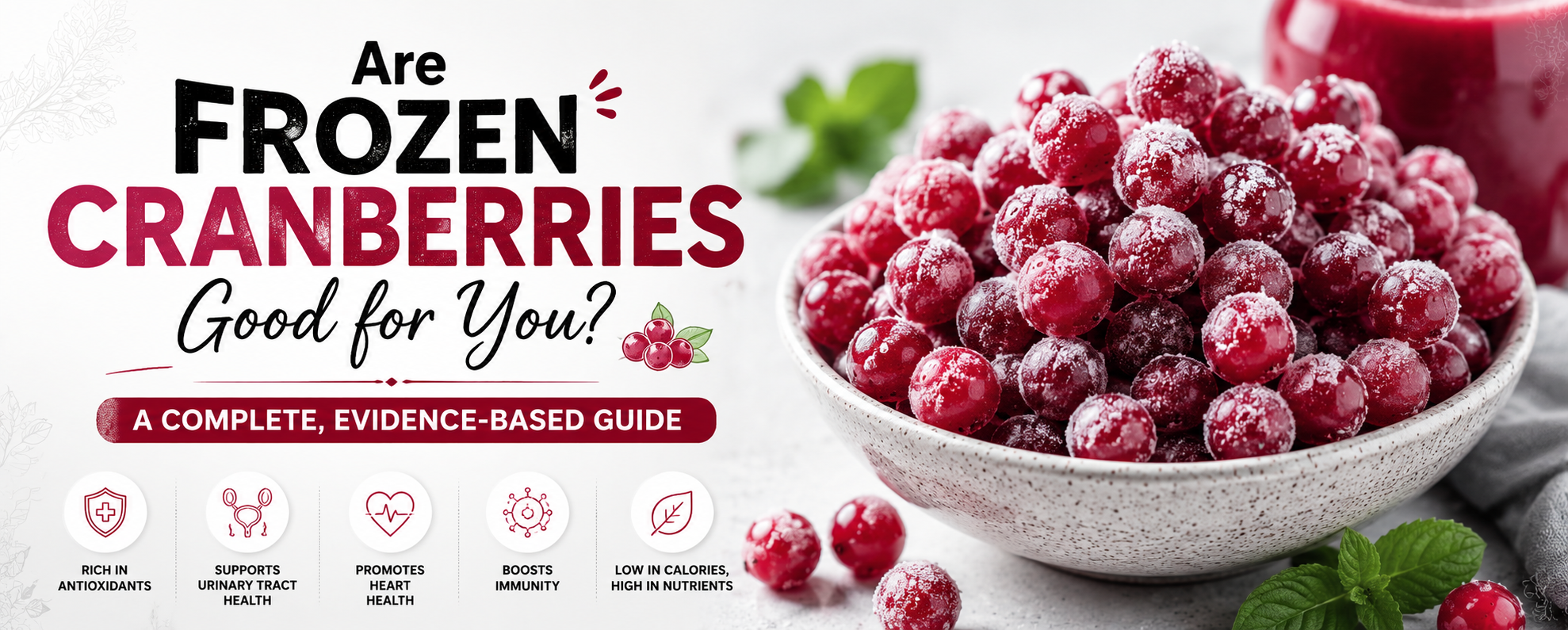
Best Health Benefits of Frozen Cranberries: A Complete Nutrition Guide