

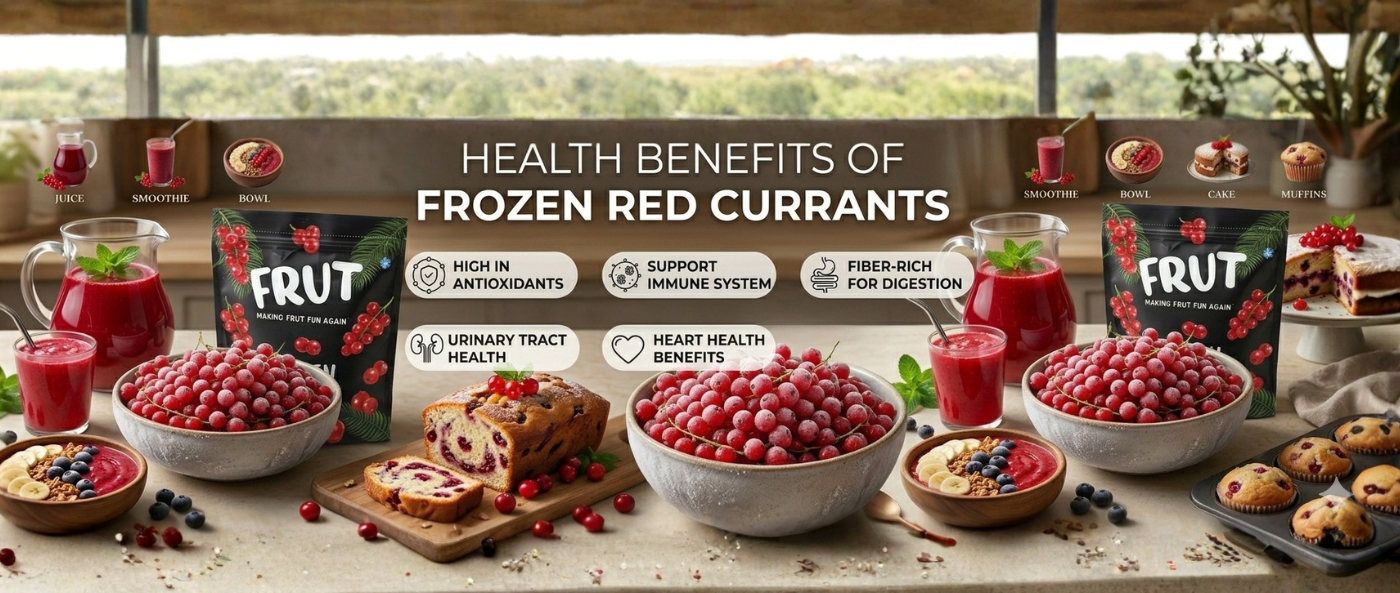
10 Health Benefits of Frozen Red Currants You Should Know About
If you were to imagine superfruits, the first ones that come to mind would be blueberries and pomegranates. However, other small fruits should also get their share of attention for being rich sources of nutrients, such as frozen red currants. No matter whether you throw them into a smoothie or just munch on these berries from the freezer, you are getting a wide array of health benefits from frozen red currants. They are rich in vitamins, minerals, antioxidants, and fibre. Let's take a closer look at some of the health benefits that these berries bring.
1. Very Rich in Vitamin C
The Importance of Vitamin C, Red currants are one of the best natural sources of vitamin C in the plant kingdom. The process of freezing does not negatively affect the levels of this vitamin, contrary to fresh fruit, which may lose it during transportation and storage.
Apart from helping you to resist colds, vitamin C performs many other important functions. Among them, we can name collagen synthesis, thus promoting skin health and the proper function of your joint tissues and blood vessels. Vitamin C is a potent antioxidant that eliminates damaging free radicals.
Red currant frozen Vitamin C content key points:
- One hundred grams of red currants contain about 41mg of Vitamin C – roughly 45% of an adult person's recommended daily intake of this vitamin.
- Fresh Vitamin C is absorbed by the human body much better than the synthesised vitamin added to the diet in the form of pills or tablets.
- Freezing does not affect Vitamin C content in red currants negatively; the best result is achieved through blast freezing right after harvest.
If you want to enrich your diet with natural Vitamin C, there is nothing easier than including red currants in your breakfast menu.
2. Rich in Antioxidants That Fight Cellular Damage
Anthocyanins, Flavonoids, and Phenolic Compounds
Red currants' characteristic colour is determined by a family of natural chemical compounds, namely anthocyanins. These substances are considered flavonoids and are strong antioxidants. Quercetin, myricetin, phenolic acids, and other compounds contained in red currants serve to protect cells from oxidative stress.
Antioxidants function in the organism as a neutraliser of free radicals. Left unattended, free radicals start destroying DNA and proteins within the cells, causing many diseases, including cancer and neurological disorders. Regular consumption of such foods can be one of the easiest ways to preserve health and longevity.
This makes the value of frozen red currants even higher – you will have the benefits of antioxidant-rich fruit, but they will last much longer.
3. Aid for a Stronger Immune System
Immunity Support in Frozen Red Currants Isn’t Limited to Just Vitamin C. Red currants’ immunity-boosting properties are not just limited to their high content of Vitamin C. The synergic action of the mentioned nutrients, such as Vitamin C, Vitamin E, zinc, manganese, and polyphenols, works together to promote better response mechanisms against pathogens and inflammation in the body.
Inflammation is now understood as one of the leading causes of most of the diseases we face today. Everything from type 2 diabetes to cardiovascular problems is driven by low-grade chronic inflammation. Eating foods rich in antioxidants, including red currants, is a good way to maintain healthy levels of this natural process.
Immune-boosting nutrients found in frozen red currants:
- Vitamin C – helps produce white blood cells and acts as an antioxidant in the immune system.
- Vitamin E – prevents the oxidation of immune cells’ membranes.
- Manganese – cofactor of superoxide dismutase, one of the enzymes responsible for antioxidant reactions in our bodies.
- Polyphenols – regulate the processes associated with immunity.
4. Great Source of Dietary Fibre
How Fibre in Red Currants Helps Your Gut. While you might not expect frozen red currants to be high in dietary fibre, each 100g portion will give you about 4.3g, which is a substantial amount when considering the recommendation of 25-30g daily.
Fibre serves as food for the beneficial bacteria living inside your gut. They are known as the microbiome and produce substances like short-chain fatty acids that help your intestines stay healthy and regular and affect your moods and thinking through the gut-brain connection.
There are two types of fibre in red currants:
- The soluble one binds with water and slows down sugar absorption, as well as decreases bad cholesterol.
- Insoluble fibre makes stool bulky, preventing constipation and regulating your intestinal activity.
If improving your gut health or managing blood sugar are some of your health priorities, adding frozen red currants to your diet is a simple way to go.
5. Nutritional Basis for Heart Benefits
Cholesterol, Blood Pressure, and Cardiovascular Well-being. Heart disease is the world’s most prevalent cause of death. The importance of proper nutrition cannot be overstated when it comes to both preventing and treating heart problems, and the nutritional profile of frozen red currants suggests that there are multiple ways to achieve heart benefits.
Ways in which frozen red currants can contribute to a healthy heart:
- Anthocyanins have been shown to increase the flexibility of blood vessels and reduce arterial stiffness, based on some observations.
- Soluble fibre content can reduce levels of total and LDL (bad) cholesterol, thus addressing one of the main causes of heart conditions.
- Red currants are a source of potassium, which can lower blood pressure due to their impact on sodium.
- Anti-inflammatory elements may decrease vascular inflammation, which is responsible for the accumulation of fatty plaques inside blood vessels.
Frozen red currants offer an easy and evidence-based means of contributing to cardiovascular well-being.
6. Naturally Sourced Blood Sugar Management Aid
Low Glycaemic Index & Polyphenols at Work
Although they are not large fruits, red currants have a lower glycaemic index (GI). As a result, these berries lead to a slower increase in one’s blood glucose levels than foods that possess a higher GI level. Such property is very beneficial for those who suffer from type 2 diabetes, insulin resistance, or just want to avoid energy crashes caused by high blood glucose spikes.
Polyphenols found in red currants, specifically anthocyanins and quercetin, have been researched for their potential ability to increase the body’s sensitivity to insulin as well as decrease the response of post-prandial blood sugar. At present, there is no conclusive evidence regarding this issue; however, ongoing research looks promising.
Tip: One can use frozen red currants to add a natural, tangy taste to their yoghurt, oatmeal, overnight oats or chia pudding without increasing blood sugar.
7. Benefits: Bone Strength and Mineral Content
Often Underestimated – The Bone-Forming Minerals Found in Red Currants
While discussions around bones inevitably revolve around calcium and milk, it should be noted that besides calcium, bones need other types of minerals, such as phosphorus, manganese, magnesium, and even Vitamin K, all of which can be found in red currants.
- Manganese plays an important role in forming bone cartilage and collagen and bone mineralisation.
- Phosphorus acts with calcium to strengthen bones and teeth.
- Vitamin K (in small amounts) is needed to activate osteocalcin, the protein responsible for calcium being deposited into bone tissue.
Thus, regular consumption of nutrient-rich plant foods, such as frozen red currants, is a good idea, especially for older people.
8. May Benefit Eye Health
Eyes Have Their Own Antioxidants. One of the most frequent causes of blindness in elderly people is age-related macular degeneration and cataracts. Oxidation of eye tissues leads to these conditions, at least partially.
Research has shown that the anthocyanin compounds in red currants may be helpful for improving night vision and reducing damage caused by retinal exposure to bright light. Moreover, the amount of vitamin C contained in frozen red currants promotes healthy blood vessels supplying the retina with oxygen.
Though wearing protective glasses and undergoing eye tests regularly is crucial, incorporating antioxidant fruits into your diet can be an effective supplementary measure.
9. Promotes Skin Health from Within
Collagen, Hydration, and Anti-Ageing Nutrients. Beautiful skin begins from within the body. The ingredients found in frozen red currants work in synergy to improve skin integrity and appearance.
The following are ways frozen red currants can improve skin health:
- Vitamin C plays an important role in the formation of collagen, which determines the flexibility, suppleness, and healing potential of skin.
- Anthocyanins and other antioxidants protect the skin against damage caused by UV rays by neutralising harmful free radicals.
- Red currants have a high water content, which can contribute towards skin hydration when eaten.
- The anti-inflammatory properties of certain compounds found in red currants help reduce swelling and irritation.
While you may be paying for topical products or supplements to promote healthy skin, remember that whole foods such as frozen red currants can provide a more affordable way to get skin-friendly nutrients.
10. Helps Maintain Healthy Body Weight and Creates Satiety
Low-Calorie but Nutrient-Dense – Ideal Combination. Red currants consumed from a frozen state provide good value in terms of nutrients compared to calories spent. Their calorific value is about 56 calories per 100g of frozen fruit, making them some of the least caloric fruits on the market. However, even being such, they still provide significant amounts of fibre, vitamin C and antioxidants.
Fibre will contribute to creating the feeling of satiety; hence, the risk of snacking between main meals due to hunger will significantly reduce. This combination makes frozen red currants very helpful for people who control their body weight without depriving themselves of food.
Moreover, their sour taste suggests that they are not used in excessive amounts compared to sweet fruits, providing a good way of reducing portions.
How to use for controlling body weight:
- Mix frozen red currants with Greek yoghurt, flaxseed and proteins to prepare a filling breakfast smoothie.
- Use frozen currants as toppings to your overnight oats or porridge instead of jam.
- Prepare a light hot drink by mixing them with warm water and adding a bit of honey.
Full Nutritional Profile of Frozen Red Currants
What You Get Per 100g Serving
Understanding the full nutrient breakdown helps explain why so many of the health benefits above are possible. Here is an at-a-glance overview of the key nutrients found in frozen red currants:
- Calories: ~56 kcal
- Carbohydrates: ~13.8g (of which sugars: ~7.4g)
- Dietary Fibre: ~4.3g
- Protein: ~1.4g
- Fat: ~0.2g
- Vitamin C: ~41 mg (~45% RDI)
- Vitamin K: ~11mcg
- Potassium: ~275mg
- Manganese: ~0.19mg
- Iron: ~1.0mg
These figures make frozen red currants a genuinely functional food — one where the nutritional value has a measurable impact on health, not just a marginal contribution.
How to Use Frozen Red Currants Every Day
Practical Ways to Incorporate This Fruit Into Your Routine. The best thing about red currants is the number of ways you can use them in your daily life. Unlike other health foods that need complicated preparations, red currants will fit well in any dish you prepare.
Breakfast options:
- Make a smoothie combining these fruits with banana, almond milk, and some protein powder./
- Mix them with oatmeal or muesli, sprinkling some honey.
- Prepare yoghurt parfaits with some granola and other seeds added.
Cooking suggestions:
- Oil them in a small amount of water together with some sweetener to make coulis for pancakes or waffles.
- Include them in muffins, crumbles, and tarts as an alternative ingredient, giving a tart colour to these desserts.
- Make red currant sauces for meat dishes like pork, duck, and venison, where acidity will complement the rich flavour.
Beverages:
- Crush them and mix in sparkling water with some mint for an invigorating summer beverage.
- Make tea drinks, including ginger and lemon, for a delicious, immune-boosting winter beverage.
Since they are frozen, there is no need for defrosting before cooking or using them in a drink.
Do Freezing Impair the Health Properties?
It is necessary to respond to the frequently asked query concerning the impact of freezing on the beneficial properties of red currants.
The brief response is negative, and in particular cases, it might even improve the nutritional value compared to the fresh variety. This is because
- The freezing process occurs during the prime state of ripening, preserving the optimal amount of vitamins and polyphenols.
- Once picked, fresh fruits start deteriorating. Therefore, by the time they are delivered to your local stores, the Vitamin C content diminishes considerably during transportation and storage under refrigeration conditions.
- As a result, frozen fruits avoid this phase of decomposition, providing a nutrient profile similar to that of recently picked fruits.
Thus, if you are unable to obtain fresh red currants due to seasonality, geography, or pricing issues, you have a reliable substitute available in the form of frozen red currants.
Conclusion: Tiny Fruit with a Great Deal of Nutrition
All 10 of the health advantages of frozen red currants presented in this article have something in common – they are all interlinked aspects of the excellent nutritional value of the fruit. From its abundance in anthocyanins that provide antioxidants to fibre, high Vitamin C levels, as well as beneficial effects on your heart, skin, intestines, and bones, red currants are definitely worthy of being called a functional food.
The fact is that they are easy to consume due to the fact that they are inexpensive, available frozen all year round, and do not need much preparation to be eaten. Be it a health enthusiast or someone who started paying attention to their nutrition, there are a few ways to improve their eating habits so easily as including frozen red currants into their daily menu.

Share:
Best Health Benefits of Frozen Cranberries: A Complete Nutrition Guide
10 Healthy Benefits of Frozen Red Cherries