


How to Buy the Best and Healthiest Frozen Fruits: A Practical Buyer's Guide
If you have ever stood in front of a freezer aisle wondering whether that bag of berries is actually worth buying, you are not alone. Frozen fruit has a reputation problem: some people assume it is second-rate, others worry about added sugar, and almost everyone has been burned by a bag of mushy, ice-crusted mango at least once. The truth is more encouraging. Frozen fruit can be as nutritious as fresh, often cheaper, and far more convenient, provided you know what to look for. This guide explains how to buy the best and healthiest frozen fruits, from reading labels and spotting freezer damage to choosing the right fruit for smoothies, baking or snacking. By the end, you will know exactly what belongs in your cart and what to leave on the shelf.

Are Frozen Fruits Good for Health?
Yes, and for a straightforward reason: freezing preserves what makes fruit worth eating in the first place.
What happens between the farm and the freezer
Most commercial frozen fruit is harvested when it is ripe, washed, sorted and frozen within hours. That timing matters. Fresh fruit that travels long distances is often picked slightly underripe so it survives transport, then sits in warehouses and on shelves for days. During that time, vitamin C and some antioxidants slowly degrade. Frozen fruit skips most of that waiting game. Cold temperatures slow nutrient loss to a crawl, so what you eat months later is close to what was picked.
Are frozen fruits better than fresh?
It depends on the comparison. A strawberry picked ripe from a local farm and eaten the same day is hard to beat. But that is rarely the fresh fruit most of us are buying. When you compare supermarket fresh fruit that has spent several days in transit and storage with a quality frozen product, the frozen product comes out ahead in vitamin and antioxidant content. Research comparing the two has generally found nutrient levels to be similar, with fresh sometimes losing ground the longer it sits.
So the honest answer to "are frozen fruits better than fresh?" is this: they are not inferior, and for out-of-season fruit, they are frequently the smarter choice. Fresh wins on texture and eating-out-of-hand pleasure. Frozen wins on consistency, shelf life and value.
Benefits of Frozen Fruits and Berries
Beyond nutrition, there are practical reasons people keep a few bags in the freezer at all times.
- Peak-ripeness nutrition. Fruit is frozen when its flavour and nutrient content are at their best, not weeks later.
- Year-round access. Blueberries, raspberries, cherries and mangoes are seasonal or imported for much of the year. The freezer removes the calendar.
- Less food waste. You use what you need, and the rest stays good. Fresh berries, by contrast, can turn within days.
- Steadier pricing. Fresh berries swing wildly in price outside their season. Frozen prices tend to stay far more stable.
- Zero prep. No washing, peeling, pitting or chopping. That alone makes people far more likely to actually eat fruit.
- Smoothie-ready texture. Frozen fruit gives smoothies a thick, cold body without watering them down with ice.
Berries deserve a special mention. Blueberries, strawberries, raspberries, and blackberries are rich in anthocyanins and other plant compounds, and they freeze exceptionally well because their structure holds up during freezing. If you want to start somewhere, start with a mixed berry bag.
How to Choose the Best Frozen Fruits: What to Check Before You Buy
Not all frozen fruit is created equal. Two bags that look identical on the shelf can differ enormously in quality. These five checks take about thirty seconds and make the biggest difference.

1. Read the ingredient list first
The best frozen fruit has one ingredient: the fruit. "Strawberries." "Mango chunks." That is it. Flip the bag over and look for added sugar, syrup, juice concentrates, preservatives or "natural flavouring." Some products, especially sweetened fruit blends and fruit-for-dessert packs, add sugar that you simply do not need. If you want sweetness, you can add it yourself and control how much.
2. Look for "individually quick frozen" (IQF)
IQF means each piece of fruit is frozen separately and rapidly. The practical result is that pieces stay loose in the bag, so you can pour out exactly what you need. Rapid freezing also forms smaller ice crystals, which damage cell walls less and give you better texture after thawing. If the packaging does not say IQF, check the next point carefully.
3. Inspect the bag for ice crystals and clumps
Press the bag gently or tilt it. The fruit should move freely like small pebbles. Warning signs include:
- A solid brick of fruit. This usually means the bag partly thawed and refroze at some point.
- Heavy frost or large ice crystals inside. Some frost is normal, but a thick layer suggests temperature fluctuation or long storage.
- Pale, shrivelled or discoloured pieces. This is freezer burn, which dries out fruit and dulls flavour.
- Frozen liquid pooled at the bottom. Another sign of a thaw-and-refreeze cycle.
A bag that fails any of these tests is not unsafe by default, but it will taste worse and has likely lost quality along the way.
4. Check the packaging and the cold chain
Look for sturdy, sealed packaging with no tears or punctures. If you shop in person, pick up frozen items last and avoid anything sitting above the freezer's frost line or near the lid edges, where temperatures run warmer. If you shop online, choose sellers who ship in insulated packaging with ice packs or dry ice and who tell you how long delivery takes. A broken cold chain is the single most common cause of poor-quality frozen fruit.
5. Know the origin and the date
Check the best-before date and, where available, the country or region of origin. Brands that tell you where their fruit is grown and how it is processed are usually more confident about their quality. Vague packaging with no origin information deserves a bit more scepticism.
Best Frozen Fruits and Berries to Buy (and What to Use Them For)
Different fruits freeze differently, so matching the fruit to the job helps.
Berries: the freezer all-stars
Blueberries, raspberries, blackberries and strawberries all hold their nutrients and flavour well. Use them in smoothies, oatmeal, yoghurt bowls, pancakes and baking. Strawberries soften noticeably when thawed, so they work best blended or cooked rather than eaten plain.
Tropical fruit: mango, pineapple and papaya
These are often harder to find truly ripe and affordable fresh, which makes frozen versions a genuine upgrade. Frozen mango chunks make creamy smoothies and quick sorbets. Pineapple works in smoothies and stir-fries.
Stone fruit and cherries
Frozen peaches, cherries and plums are excellent for crumbles, compotes and sauces. Pitted cherries are a time-saver you will appreciate.
Fruits to be pickier about
Some fruits, such as bananas, freeze well but darken. Others, like melons and grapes, turn watery or icy when thawed and are better used frozen as snacks or blended. They are still worth buying; just set expectations about texture.
Where to Buy Frozen Fruits You Can Trust
Supermarkets and hypermarkets
Large retailers with high stock turnover are a good default because the product does not sit long. Look for busy stores with well-organised, properly cold freezers.
Online grocery platforms and direct-to-consumer brands
Online shopping can open up better variety, including exotic berries and single-origin options. Choose sellers that publish clear delivery timelines, packaging details and customer reviews that mention condition on arrival.
Specialty and farm-linked suppliers
Brands that work directly with growers often provide more transparency on sourcing and processing, and may offer larger packs at better per-kilo prices.
Questions worth asking any seller
- Is the fruit IQF, and is it frozen shortly after harvest?
- Does it contain anything besides fruit?
- How is it stored and transported, and what happens if it arrives partly thawed?
- Where is it grown?
A trustworthy seller answers these easily. If you get vague replies, move on.
How to Store and Use Frozen Fruit to Keep Its Nutrients
Buying well is half the job. Storing it well is the other half.
- Get it into the freezer quickly. Make the freezer aisle your last stop and head straight home.
- Keep your freezer cold. A steady temperature at or below -18°C protects quality.
- Reseal properly. Squeeze out the air and close the bag tightly, or transfer to an airtight container, to prevent freezer burn.
- Do not refreeze thawed fruit. It turns mushy and loses quality.
- Use within a few months. Frozen fruit stays safe far longer, but flavour and texture are best within roughly six to twelve months.
- Skip the long thaw when you can. Add frozen fruit straight to smoothies, oats and baking, which also helps retain juices.
Quick Checklist: Your Frozen Fruit Buying Cheat Sheet

|
Check |
What good looks like |
|
Ingredients |
Only the fruit, no added sugar or syrup |
|
Freezing method |
IQF, pieces move freely in the bag |
|
Appearance |
Bright colour, little frost, no clumping |
|
Packaging |
Sealed, intact, no tears |
|
Seller |
Clear origin, proper cold chain, honest labelling |
|
Date |
Comfortably within best-before |
Conclusion
Knowing how to buy the best and healthiest frozen fruits comes down to a few habits: choose single-ingredient bags, prefer IQF fruit that pours freely, avoid frost-covered or clumped packs, and buy from sellers who are open about sourcing and storage. Do that, and frozen fruits and berries become one of the most affordable, convenient ways to eat more fruit year-round. They are not a compromise; they are a smart, nutritious choice. Ready to put this into practice?.
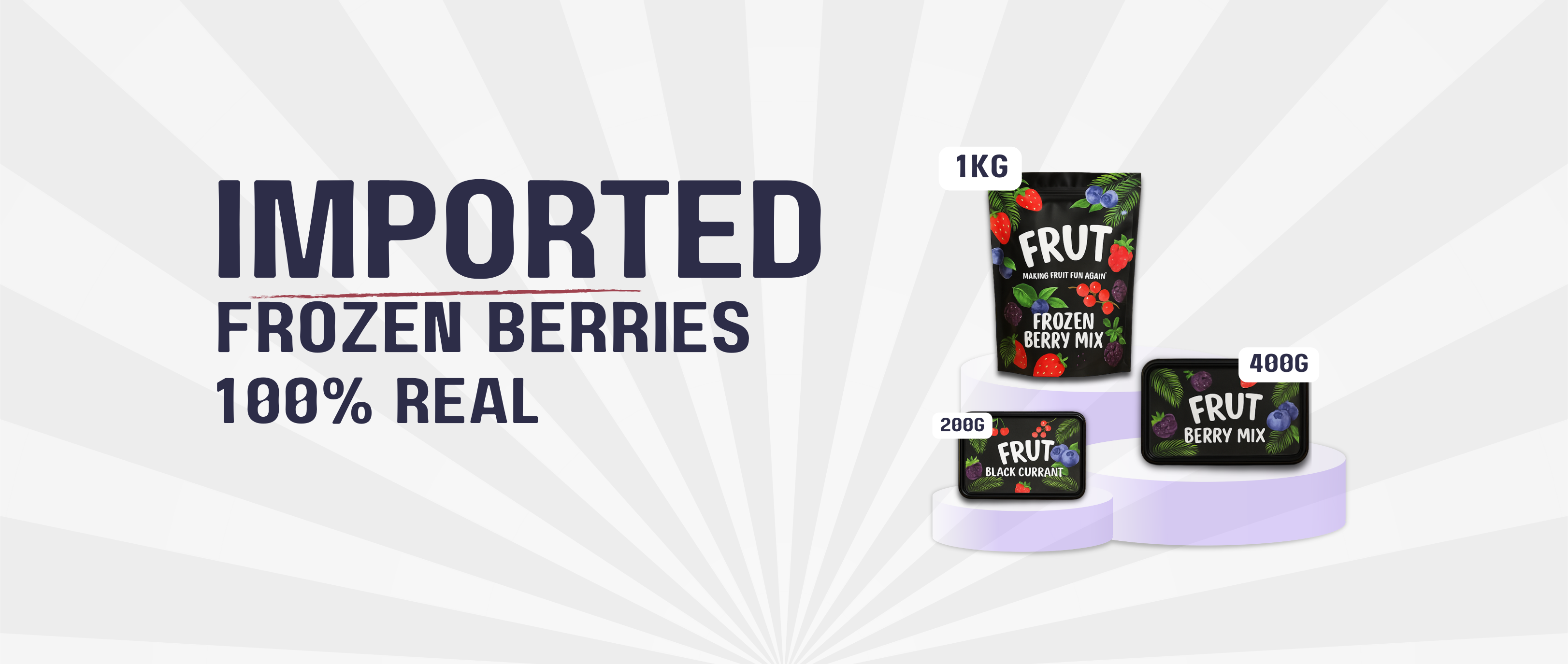
CLICK HERE to explore imported berries and fruit
Frequently Asked Questions
Are frozen fruits as healthy as fresh fruits?
In most cases, yes. Frozen fruit is typically processed at peak ripeness, which locks in vitamins and antioxidants. When fresh fruit has travelled and sat for days, frozen fruit can match or even exceed its nutrient content.
Does frozen fruit contain added sugar?
Plain frozen fruit should not. However, some sweetened or flavoured products do. Always read the ingredient list and choose bags that list only fruit.
Is it safe to eat frozen berries without cooking them?
Generally, yes, but food safety guidance often recommends cooking or thoroughly heating frozen berries for people who are pregnant, elderly, very young or immunocompromised, because freezing does not eliminate every possible contaminant. If that applies to you, check the packaging instructions or ask your doctor.
How can I tell if frozen fruit has gone bad?
Look for heavy ice crystals, a solid frozen block, pale or shrivelled pieces, an off smell or a sour taste once thawed. Any of these indicates the fruit has thawed and refrozen or has been stored too long.




Share:
How Diwali Is Celebrated in Different States of India: Stories, Customs and Food