

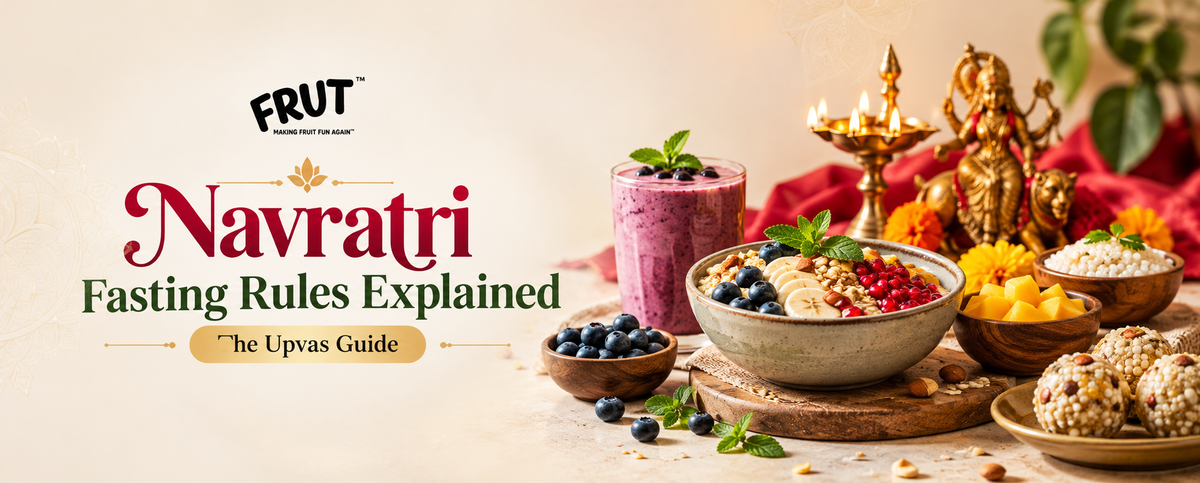
Navratri Fasting Rules Explained: The Upvas Guide
Navratri fasting is one of the most widely practiced customs in India, with millions of people giving up grains, adopting rock salt, and spending nine days on lighter, simpler food. However, the rules differ from region to region and among families, which leads to confusion. For example, is it allowed to drink tea? Are potatoes permitted? And actually, when do you break the fast? This upvas guide provides answers to these questions in simple terms. It explains when to start the fast, what to eat and what to avoid, and how to break it gently. The guide also addresses how to maintain your energy levels during the late-night Garba and states where fruit and berries should be in a traditional and balanced diet.

What is upvas, and what is the reason for fasting during Navratri?
The word upvas derives from Sanskrit and generally signifies 'staying near' the divine; the concept is that by simplifying your diet, you make it possible to concentrate on prayer, reflection and the festival itself. Fasting during Navratri is also regarded as a means of preparing the body for the change of season since Sharad Navratri occurs at the time when the monsoon is giving way to cooler weather.
There is also a practical aspect to it: the grains, the heavy gravies, and the onions and garlic are left out of the diet, which makes it lighter and easier to digest. Numerous people find that they no longer feel so sluggish by the fourth or fifth day; this benefit is genuine, but only provided that the fast is carried out in a thoughtful manner. The purpose of the fast is ruined if you eat fried snacks all the time on a "fasting" menu.
When to Do Upvas: Choosing Your Fasting Pattern
There isn't one correct schedule since different families have different customs, and you should select the one that fits your health and routine.
The Full Nine-Day Fast
This is the conventional method: you start on Pratipada, the first day, typically following Ghatasthapana (the ritual installation of the sacred pot), and go on until Navami or Dashami.
The First-and-Last Fast.
A number of people observe a fast only on the first and final days; this is typical among individuals who work long hours or have health problems that make it difficult to carry out a full fast.
Ashtami or Navami Only
It is common for many families to observe one more rigorous fast on either the eighth day, Ashtami, or the ninth day, Navami, this being linked to the ceremony known as Kanya Pujan, which involves honouring young girls as manifestations of the goddess.
How to Decide
- If you're new to fasting, start with one or two days, not all nine.
- If you suffer from diabetes, have high blood pressure, or have a history of acidity, you should first consult your doctor.
- The practice allows for some flexibility if you are pregnant, breastfeeding, old, or have just recovered from an illness. Commitment need not involve hardship.
The Core Fasting Rules at a Glance
While customs differ, most households follow a common set of fasting rules:
- Omit the ordinary grains since wheat, rice, maize, and most pulses are set aside.
- Use sendha namak. Rock salt takes the place of table salt.
- Olive, onion, and garlic are excluded since they are of a tamasic nature and therefore excluded.
- There is no inclusion of meat, eggs, fish, or alcohol; the diet remains strictly vegetarian.
- Eat food that is simple and prepared fresh. It is advisable to avoid leftovers and highly processed foods.
- It is important to keep the kitchen and the utensils clean, since many families have separate vessels for their fasting food.
Some followers go even that far by giving up tea and coffee, omitting dairy, or having only fruit and water. Others limit themselves to one meal, which they eat in the evening. Choose the level that your family's traditions and your own body can manage.
What to Eat in Upvas: Approved Foods
The list of permitted items turns out to be longer than the average person anticipates. Here's how it is broken down.
Fasting Flours and Grain Substitutes
These are not true cereals, which is why they are allowed:
- Kuttu atta (buckwheat flour): used for puris, rotis, and pakoras.
- Singhara atta (water chestnut flour): good for rotis and halwa.
- Rajgira (amaranth) is used as flour, puffed laddoos, or porridge.
- Samak rice (barnyard millet): a light, rice-like grain for khichdi or pulao
- Sabudana (tapioca pearls): the base for khichdi and vada.
Vegetables
The potato, sweet potato, pumpkin, bottle gourd (lauki), unripe banana, colocasia (arbi), cucumber, and tomato are commonly eaten, while spinach and other leafy greens vary according to regional custom.
Dairy
Milk, curd, paneer, buttermilk, and ghee are all widely accepted and provide excellent protein during upvas.
Nuts, Seeds and Makhana
Almonds, walnuts, peanuts, cashews, raisins, watermelon seeds, and makhana (fox nuts) contain healthy fats and help to control hunger.
Spices and Seasonings
The usual flavourings are cumin, black pepper, green chilli, ginger, coriander, cardamom, and rock salt.
Fruits and Berries in Upvas: Your Easiest Fasting Food
Fruit is the easiest and most generally accepted food to eat when fasting since it requires no cooking, is easily digested, and provides your body with natural sugar for a quick supply of energy. Common choices include bananas, apples, papaya, pomegranate, grapes, guava, and watermelon.
Why Berries Deserve a Place on Your Plate
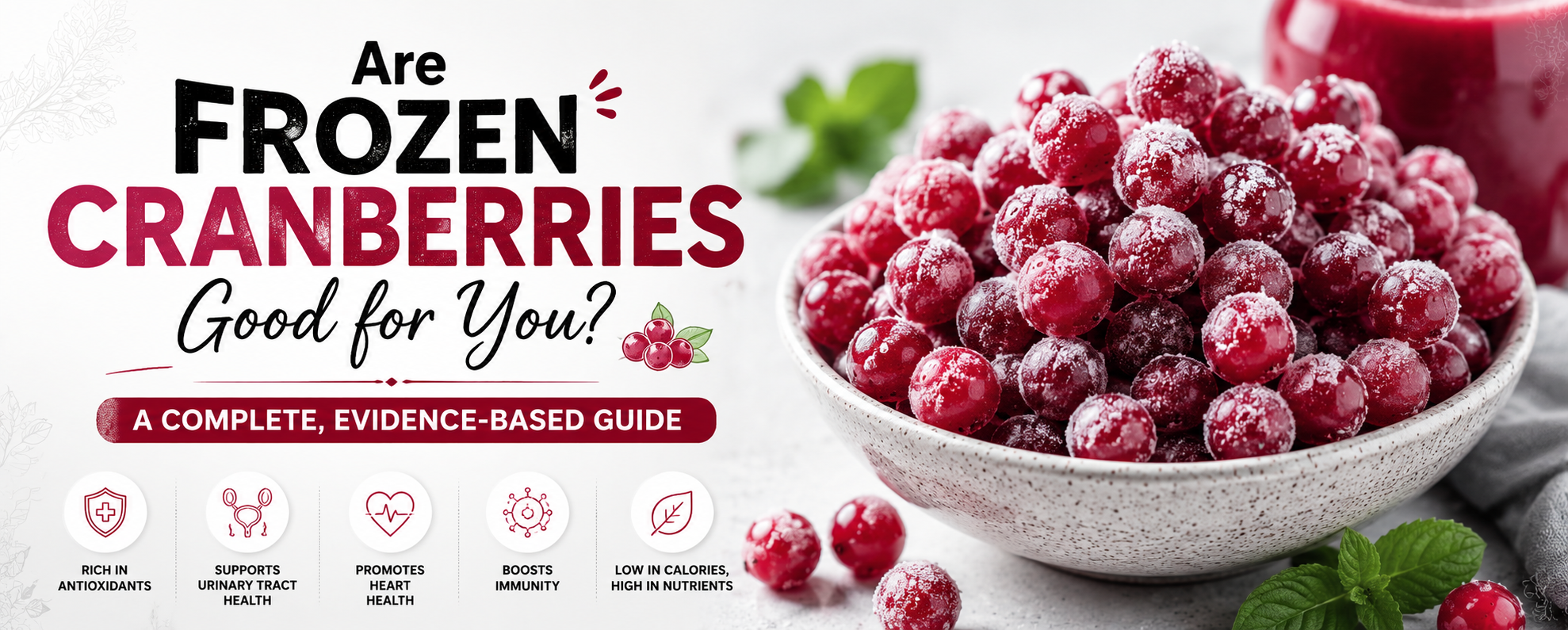
Berries aren't included in traditional Navratri menus to the same extent as bananas, but they are in keeping with the spirit of upvas. Strawberries, blueberries, mulberries, and the seasonal Indian berries jamun and falsa are fresh, plant-based, and high in fibre and antioxidants. They also contain less sugar than a great many tropical fruits, which is beneficial for people who are monitoring their glucose levels.
A few easy ways to use fruit and berries:
- A bowl of mixed fruit with a sprinkle of rock salt and black pepper.
- A berry-and-banana smoothie made with curd or milk.
- Fruit chaat with lemon juice and roasted makhana.
- Soaked sabudana pudding topped with sliced strawberries.
A Practical Tip:
Nine days' supply of food should not consist solely of fruit since it does not contain enough protein and will make you feel hungry within a short time; it should be combined with nuts, curd, or paneer so as to stay full for a longer period.
What Not to Eat During Navratri Fasting
It is just as important to know what to avoid as it is to know what to eat. Leave these out:
- Wheat, rice, semolina (suji), and refined flour (maida)
- Lentils, chickpeas, beans, and other pulses
- Regular table salt
- Onion and garlic
- Non-vegetarian food and eggs
- Alcohol and tobacco
- Snacks that are made using non-fasting ingredients should always have their labels read, as a great many chips and namkeens contain ordinary salt, spice mixes, or flour.
- In many households, certain spices such as turmeric, mustard seeds, fenugreek, and asafoetida are not used, although the practice varies from region to region.
See that last point as a prompt to examine your own family customs rather than treat it as a general rule.
The Process: A Simple Daily Upvas Routine
If you're wondering what the process is like in real-life situations, here is an example of a day that combines tradition with a consistent level of energy.
- In the early morning, you should bathe, light a diya, and offer prayers; start the day with warm water or with a glass of milk if your tradition permits it.
- For breakfast between 8 and 9 a.m., one can have a bowl of seasonal fruit, a handful of soaked almonds, or a cup of milk together with makhana.
- For lunch between 12 o'clock and 1 p.m., you can have samak rice khichdi with curd or kuttu rotis with pumpkin or potato sabzi.
- For an afternoon snack at 4 p.m., you can have fruit accompanied by a small amount of rock salt, or choose coconut water or buttermilk.
- Evening meal (after aarti): Sabudana khichdi. Paneer tikka cooked in ghee. Or a bowl of lauki kheer.
- All day long, regularly drink water, coconut water, lemon water, or buttermilk.
Tips for Garba Nights
If your evenings involve hours of Garba and dandiya, plan for it:
- Have a proper meal approximately one hour before you leave. Avoid going to the venue when you're hungry.
- Take with you a small supply of dates, nuts or a banana as a source of quick energy.
- Make sure to drink a lot of fluids since dancing in a crowd causes you to lose water faster than you might think.
- It is advisable to avoid eating heavy, deep-fried fasting snacks late at night since they may lead to acidity and disrupt sleep.
Dos and Don'ts of Navratri Fasting
Do
- It's important to stay hydrated, since water, coconut water, lemon water, and buttermilk can prevent both headaches and fatigue.
- Eat at regular intervals and have small meals every three to four hours to keep your blood sugar levels stable.
-
It is important to focus on protein; foods such as curd, paneer, milk, and nuts can help you avoid the mid-afternoon crash.
- Use ghee, peanut oil, or other fats that are safe to consume during fasting in a moderate amount.
- Get fresh kuttu and singhara flour and put them in airtight containers.
- Pay attention to your body, since if you feel dizzy, weak, or have severe acidity, you should eat something and rest.
Don't
- You shouldn't rely just on tea and coffee. Caffeine can increase acidity when taken on an empty stomach.
- You should not eat too much fried food, since although sabudana vada, potato chips, and puris are tempting, consuming large quantities will leave you feeling heavy and bloated.
- It is advisable not to binge in the evening if you have eaten very little during the day.
- If you are unwell, don't persist with it since the tradition places more importance on sincerity than on endurance.
- Avoid using buckwheat flour that is old or has been stored improperly. This flour has caused food poisoning in various Navratri seasons. Make sure to check its freshness.
How to Cut Upvas (Break Your Fast) the Right Way
It is just as important to know how to properly cut up vas as it is to keep it; since you've been eating lightly for days, your digestive system needs a slow transition back to normal food.
When to Break the Fast
The time at which you break your fast will depend on your own custom; some families do so after the Navami havan and the Kanya Pujan, while others wait until the morning of Dashami (Dussehra) after having offered the morning prayers. For clarification, you should ask the elders in your family or refer to the temple calendar in your area.
What to Eat First
- Start with something light such as a glass of warm water, a piece of fruit, or a small bowl of khichdi or dal.
- Hold on a moment and then have a normal meal consisting of roti, vegetables, and rice.
- Do not eat heavy, oily, spicy, or food that is very sweet right away, since having a rich meal suddenly after fasting is a common reason for cramps and acidity.
Serving the Prasad
In a great many households, the first meal taken after the fast is the Kanya Pujan feast, a traditional one consisting of halwa, black chana, and puri; if this is the meal you have chosen, then eat it slowly and in moderate amounts.
Health Benefits and Precautions
Possible Benefits
If you plan your fast properly, it can promote mindful eating, allow your digestive system a break, and lead to an increased intake of fruit, millets, and fresh food that you cook at home. Many people also say that they feel mentally calmer and more focused.
Who Should Be Careful
-
For people who have diabetes, leaving long intervals between meals can lead to dangerous reductions in blood sugar levels. It is better to eat small meals more frequently and to talk to your doctor about your medication.
-
For people whose blood pressure is high or low, since rock salt contains sodium, you should not use it in excess.
-
Women who are pregnant or breastfeeding have greater nutritional needs and should follow medical advice.
-
For older people and children, a diet that is suitable for fasting and involves eating at regular intervals is safer than following a strict fast.
-
People who have a history of eating disorders should consider opting for a symbolic observance since fasting could act as a trigger.
Conclusion
Navratri fasting is not mainly about giving up things but rather about having a clear intention; select a pattern that you can stick to, prepare your meals using fruit, dairy, nuts, and fasting flours, and make sure you stay well hydrated and watch your portion sizes. When you break your fast, do so gently and keep in mind that your devotion doesn't depend on how strict you are. A thoughtful and well-balanced upvas will leave you feeling lighter and prepared to enjoy each Garba night.
Frequently Asked Questions
1. Can I drink tea or coffee during Navratri fasting?
In the majority of households, that is, especially when it comes to milk. A few devotees refrain from having any caffeine. If you do drink it, then have it together with a snack and not on an empty stomach.
2. Is it acceptable to eat only fruit during an upvas?
Fruit can be eaten for one or two days only, since after nine days it may cause a deficiency in both protein and healthy fats. To keep yourself energised, you should add curd, nuts, paneer or makhana.
3. Is it permissible to eat berries during a Navratri fast?
Certainly. Since berries are a type of fresh fruit containing no grain or any forbidden ingredients, they can be included in upvas. It is just necessary to avoid commercial products that have berry flavour, as these might contain additives or regular salt.
4. Can I use regular salt if I forget?
Sendha namak is normally the sole type of salt used; if you make a mistake, don't worry, just use rock salt for the rest of your meals.
5. Is the potato permitted during the fast?
Certainly. Potatoes are root vegetables, not grains, and are a common food item during fasting in India. They should be boiled, roasted or lightly sautéed rather than deep-fried.




Share:
Dried Blueberries: Nutrition, Uses & Buying Guide