
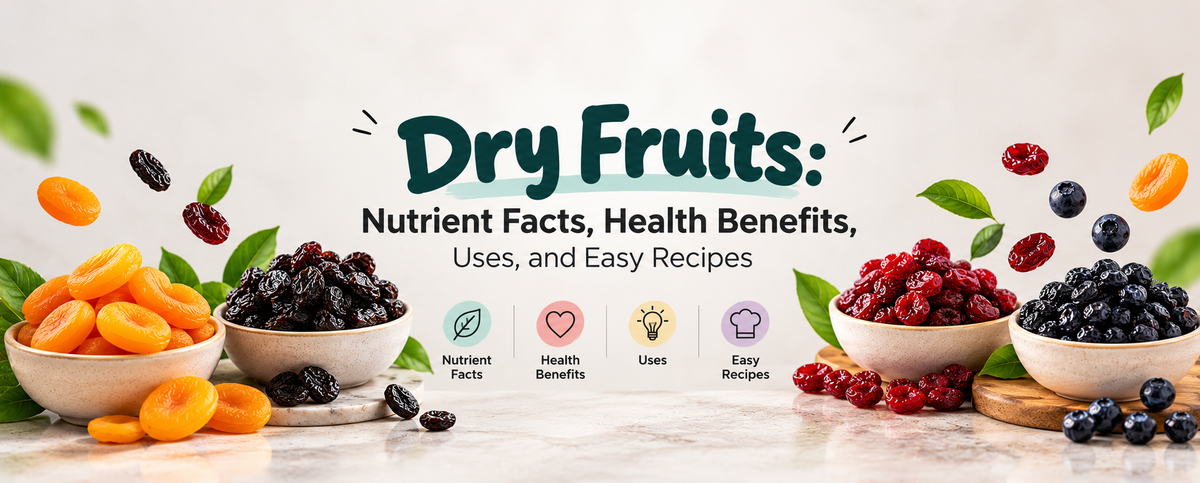
Dry Fruits: Nutrient Facts, Health Benefits, Uses, and Easy Recipes
If you're trying to swap out chips and biscuits for something that actually does your body some good, dry fruits are one of the simplest places to start. Made by removing most of the water content from fresh fruit, dried fruit concentrates natural sugars, fiber, and micronutrients into a small, shelf-stable bite that's easy to carry, easy to portion, and genuinely satisfying. This guide walks through the nutrient facts of dried fruits, the health benefits they bring to a daily diet, the difference between real dried blueberries and lookalike "blueberry plum" products sold under similar branding, and a handful of easy recipes that turn a simple jar of dried fruits into snacks, breakfasts, and desserts. Whether you're replacing junk food or just building cleaner habits, there's a practical starting point here.
What Are Dry Fruits?
Dry fruits are fruits from which most of the water has been removed by sun-drying, air-drying, or controlled dehydration, resulting in a more concentrated, chewy form of the original fruit. In ordinary usage, particularly in South Asia, the expression 'dry fruits' is generally applied in a loose way to cover both genuine dried fruits (such as raisins, apricots, dates and dried berries) and tree nuts (like almonds, cashews and walnuts). In this guide, however, our focus is on the dried-fruit portion of that group — that is, fruits that have been dried rather than shelled nuts — since it is here that the majority of confusion concerning nutrition and quality occurs.
The drying process not only helps to increase the shelf life of the fruit but also causes it to shrink, so that each bite contains a much higher concentration of sugar, fibre, and nutrients than a piece of fresh fruit. This is one of the reasons why dry fruit is such an efficient snack and is also the reason why portion size is more important in the case of dry fruit than it is with fresh fruit.

Nutrient Facts of Dry Fruits
Although the exact figures may differ from fruit to fruit, most dry fruits have a comparable nutritional profile consisting of concentrated natural sugars, a significant amount of dietary fibre, and a good variety of vitamins and minerals, all of which are contained in a low-moisture form.
What You'll Typically Find in a Serving
- Natural Sugars: Dry fruits are sweet mainly because the drying process concentrates the sugars that are naturally present in the fruit—therefore, no added sweeteners are needed in a good, unsweetened product.
- Dietary Fibre: Most dried fruits keep a good amount of their original fibre content, which aids digestion and causes you to feel full for a longer time than you would with a processed snack.
- Antioxidants: Dried fruits, especially berries and apricots, contain a lot of polyphenols and carotenoids, which are plant substances associated with a reduced level of oxidative stress in the body.
- Micronutrients: The amount of micronutrients you will usually find in fruit includes iron, potassium, magnesium, and the B vitamins, as well as smaller quantities of calcium and vitamin C.
- Low in fat: Unlike nuts, the majority of dried fruits are naturally low in fat, which makes them a lighter choice on a calorie-for-calorie basis when fat is a concern.
A Note on Sugar and Portion Size
Since drying involves the removal of water and thus concentrates all the other components, dried fruits are more calorie-dense than the fresh ones. Generally, a small handful—about a quarter cup—is sufficient to obtain the benefits without exceeding the amount of natural sugar. This point is particularly important when using dry fruits as a substitute for junk food: the aim should be to have a controlled and satisfying portion, not to eat them in unlimited quantities.
Health Benefits of Dry Fruits
Supports Heart Health
Dry fruits, especially raisins, apricots, and dried berries, contain potassium and antioxidant compound,s which help to maintain healthy blood pressure and decrease oxidative stress in the blood vessels. Replacing a salty, processed snack with a small amount of dried fruit is a simple and low-effort method of making your diet more beneficial for your heart.
Aids Digestion
The presence of fibre in dry fruits, such as prunes, dates and figs, aids in maintaining regular digestion and it is also responsible for the fact that sugar enters the bloodstream more slowly, which is one of the reasons why dry fruits tend to be more satisfying than an equal amount of refined sugar.
Provides Steady, Natural Energy
Since dry fruits contain natural sugars along with fiber, they provide energy more slowly than candy or other processed sweets. They are therefore a good choice as a pre-workout or mid-afternoon snack when you want a boost without experiencing the sharp drop that comes after eating something sugary.
Rich in Antioxidants
Dried berries in particular—such as blueberries, cranberries, and even raisins—contain significant amounts of antioxidant substances that aid the body in dealing with the oxidative stress it encounters every day. There is a simple way to vary your antioxidant consumption, and that is to include a wide range of dried fruits in your diet regularly.
Supports Bone and Skin Health
Dried apricots and raisins contain, in small quantities, calcium, boron, and vitamin K—nutrients which serve a supportive function in the maintenance of bones. The vitamin C and antioxidant content found in some dried fruits also has a beneficial effect on skin health over time, but this effect is most effective when it is part of a well-rounded and balanced diet rather than being relied on alone.
A Genuine Junk Food Replacement
The most practical advantage for the average person is that dry fruits satisfy the same desire for something sweet and chewy, which leads people to choose cookies, candy, or packaged snacks, but without containing refined sugar, artificial flavouring, or being empty in terms of calories. Having a jar of mixed dry fruits readily available makes it much easier to select something healthier when a craving for a snack occurs.

Popular Types of Dry Berries and Fruits
Different dry fruits have different tastes and characteristics, so if you want a balanced pantry, you need to know the contribution of each type. The following is a summary of some of the more popular kinds, among them several imported dried berries that have become essential items in the pantries of health-minded snack eaters.
Blueberry
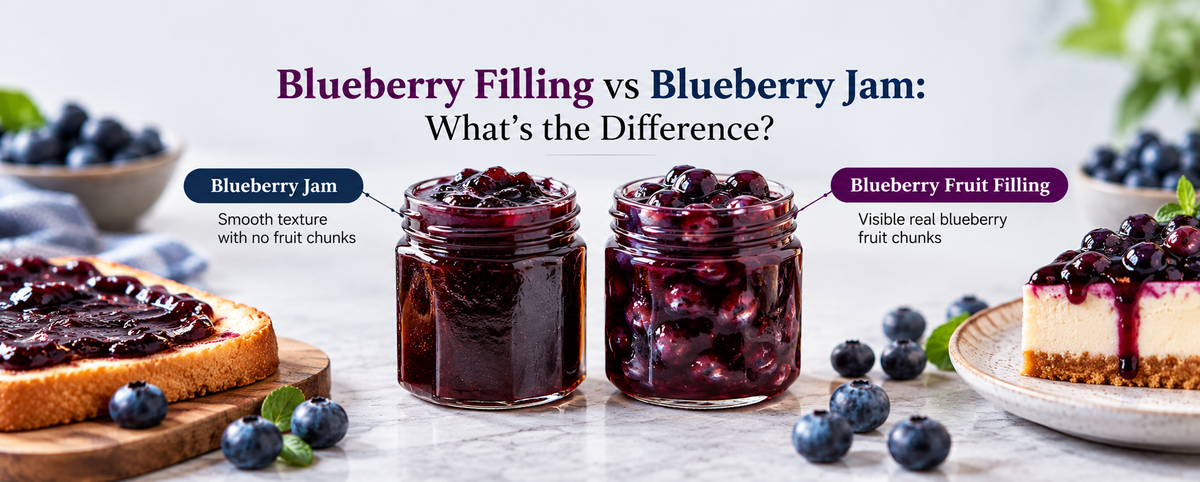
Dried blueberries have a more concentrated taste of the fresh fruit's tart-sweet flavour and are famous for their antioxidant content, especially that of anthocyanins—the compound which gives them their deep blue-purple colour. They are suitable for use in granola, in baked goods, and can also be eaten directly as a snack.
Cranberry
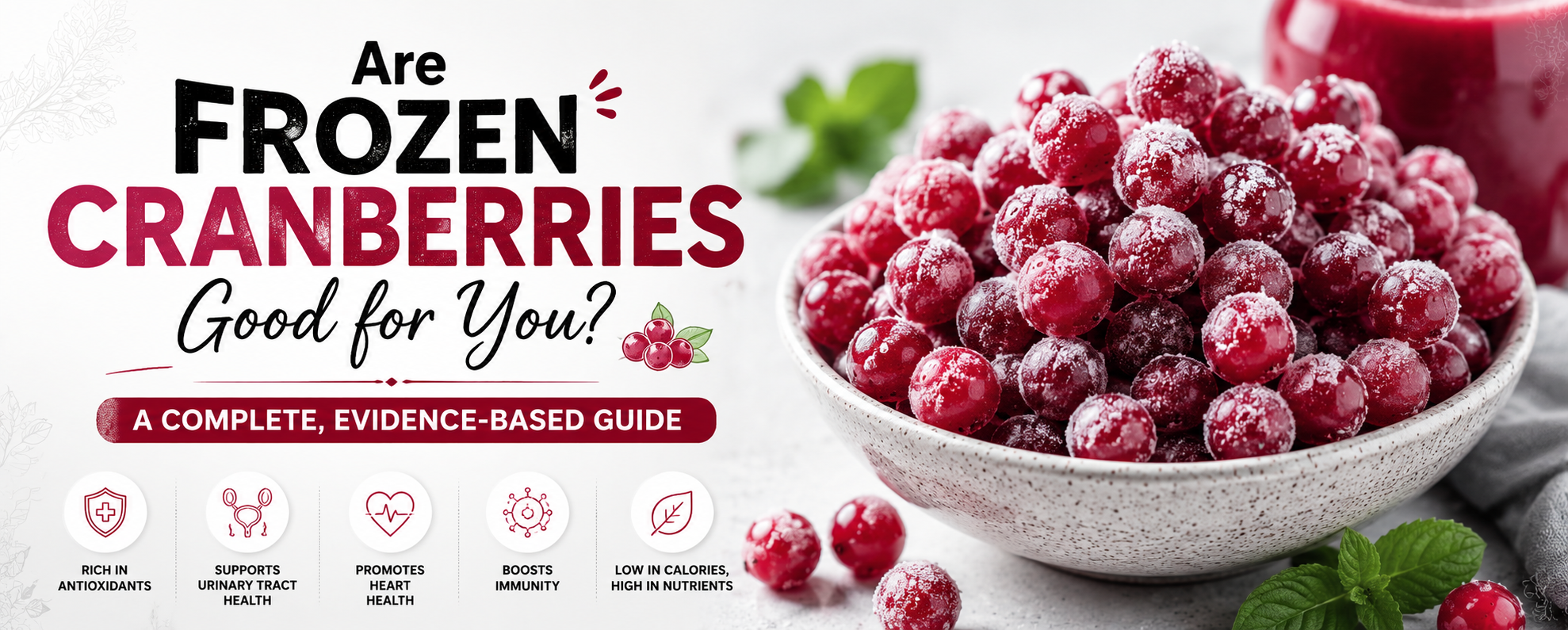
Dried cranberries have a sharp, slightly sour taste, which is usually lightly sweetened in order to counteract their natural acidity; they are commonly included in salads, trail mixes, and stuffing and contain a good amount of vitamin C as well as plant compounds linked to urinary tract health.
Black Raisins
Black raisins are made from dried black grapes and are denser and a bit less sweet than the golden ones; they also contain a higher amount of iron and antioxidants. They are a traditional ingredient in South Asian cooking and are used in both sweet and savoury dishes, as well as serving as a handy snack that boosts energy.
Papaya
Dried papaya has a naturally sweet, tropical taste and a chewy consistency; it is a good source of vitamin C and carotenoids, and because of its mild sweetnes, it is easy to combine with more tart dried berries in a mixed snack blend.
Pineapple
Dried pineapple adds a tangy-sweet, tropical flavour to snack mixes and baked goods and still contains a good amount of vitamin C and manganese found in the fresh fruit, but it's necessary to check the labels because some commercially available dried pineapple contains a lot of added sugar.
Apricot
Dried apricots are one of the most nutritious dry fruits on offer, containing a good amount of vitamin A, potassium, and iron, along with a soft, chewy texture. Because of their natural sweetness and a bit of tang they are popular for use as a snack, in baking and with cheese boards.
The dried berries and fruits combined make up the core of a well-provided pantry, offering sweet, tart and tropical flavours which can be mixed and matched according to what you are preparing or what you are craving.
The difference between dried blueberry and "blueberry plum"
It is one of the more confusing points in the section that sells dry fruits, and it's important to understand before making a purchase. True dried blueberries are produced from real blueberries — a small, round fruit belonging to the Vaccinium genus — which are dried in order to concentrate their natural sweetness and their antioxidant levels. Since it is relatively costly to grow, harvest and import real blueberries, some products marketed as "dried blueberries" are in fact made from a different type of fruit, most often a small plum variety, that has been sweetened, flavoured and at times dyed so as to look like a blueberry.
Why the Confusion Happens between dried blueberry and blueberry plum
Once they have been processed, dried plums and dried blueberries look very similar since both of them are small, dark, round and chewy. The fact that authentic dried blueberries have a high price because of the cost of importing them and the difficulty of processing them causes some manufacturers to use a cheaper plum base and to sell it as blueberries, taking advantage of the visual similarity to make the substitution go unnoticed.
How to Tell the Difference between dried blueberry and blueberry plum
- When you look at the list of ingredients, a real dried blueberry product will have 'blueberries' as its main or only ingredient, but if 'plum' appears instead, or is listed together with blueberry flavouring or colouring, then you are probably dealing with a substitute product.
- If you look at the price, genuine imported dried blueberries are more expensive to produce than an imitation made from plums. When a 'dried blueberry' product has an unusually low price, the label deserves a second look.
- When you look at the country of origin, it should be noted that those products which are clearly labelled as imported dried blueberries from Belgium, the United States, or Canada (as opposed to ones that have a general 'blueberry flavour' flavour) are more likely to be the genuine article.
- When it comes to taste and texture, genuine dried blueberries have a somewhat tart, wine-like sweetness, while those based on plum tend to be more uniformly sweet without possessing that identical natural tartness.
Uses of Dry Fruits in Everyday Life Essay
Dry fruits can be used in almost any dish — not only as a method of preparation but also as a product suitable for every day of the week.
As a Standalone Snack
Dry fruits can be used as a standalone snack in the form of a small mix that is always available in the bag, at the office, or in the car. They can satisfy the desire for something sweet in between meals.
In Breakfast Bowls
They can also be added to breakfast bowls as a sweet addition to oatmeal or a topping for overnight oats and yogurt without having to use refined sugar or syrup.
In Baking
Besides being an addition to any breakfast, dry fruits can be used in baking. Dried berries, raisins, and apricots are often found in muffins, breads, and cookies. They may also reduce the amount of sugar needed in sweet dishes.
In Trail Mixes and Energy Bites
Dried fruits can be mixed with nuts and other seeds into trail mixes or energy bites for a healthy and sweet treat. Such desserts can also be prepared at home and used as a convenient source of energy during hikes or busy days.
As Garnish and Gifting
Finally, dry fruits can be used as a garnish or even a gift. Decorated desserts, cheese boards, and salads may use dried apricots, raisins, and black raisins as a topping. Moreover, they are often given as holiday gifts due to their long shelf life.
Recipes for Easy Dry Fruits
1. Dry Fruit Mix
Ingredients: The same amount of dried blueberries, dried cranberries, black raisins, roasted almonds, and pumpkin seeds.
Instructions: Simply put everything in a jar and shake to mix. The mixture will last for up to two weeks in an airtight container kept at room temperature. It's the easiest and most effective way to have a healthy snack available anytime, anywhere.
2. No-Bake Energy Bites with Dry Fruits
Ingredients: 1 cup dried apricots, cut into small pieces, ½ cup black raisins, 1 cup rolled oats, 2 tablespoons of honey or maple syrup, 2 tablespoons of nut butter.
Instructions: In a food processo,r pulse dried apricots and raisins until finely chopped. Add oats, honey, and nut butter and mix until the dough sticks together. Form little balls, refrigerate for at least half an hour, and then enjoy your healthy snack. Keeps well in the refrigerator for about a week and can be used as a pre- and post-workout snack.
3. Dried Fruits & Yogurt Breakfast Bowl
Ingredients: 1 cup of plain yogurt, 2 tablespoons of dried papaya, 2 tablespoons of dried cranberries, 1 tablespoon of dried blueberries, a drizzle of honey.
Instructions: Layer yogurt in a bowl, add dry fruits, and drizzle honey on top. Leave it like this for five minutes, so the fruits soften a bit and release their natural sugar into the yogurt.
4. Dry Fruit and Dark Chocolate Bark
Ingredients: 200g of dark chocolate, melted; a mix of chopped dried apricots, pineapple, cranberries, and blueberries.
Instructions: Melt dark chocolate and pour it on a parchment-lined tray. Evenly scatter the dried fruits on the chocolate and refrigerate until completely firm. Then break the chocolate into little pieces. It is a perfect, healthy alternative to chocolate candy bars, especially during the holiday season.

How to Store Dry Fruits to Make Them Last
Dry fruits will last much longer than any fresh produce, but they still have an expiration date. They should be stored in an airtight container and kept away from direct sunlight and moisture. Dried fruits usually last for several months at room temperature and longer with refrigeration. A humid climate is the worst thing for dried fruits.
If you notice any dry fruit developing a hard, overly stiff texture or an off smell, it's a sign the product has either dried out further or absorbed moisture unevenly, and it's best discarded.
Final Thoughts
Dry fruits offer a genuinely practical way to satisfy a sweet craving while adding real nutritional value to your day, whether you're snacking straight from the jar, blending them into breakfast, or baking them into something more indulgent. Understanding the nutrient facts of dried fruits — and knowing how to spot the difference between authentic dried blueberries and plum-based imitations — puts you in a better position to shop smart and get what you're actually paying for. With a well-stocked mix of berries, raisins, apricots, and tropical fruits on hand, replacing junk food with something better becomes a lot easier than it sounds. Buy your favourite dried berries to build your own dried fruit pantry with authentic, imported varieties you can trust.







Share:
Edamame Health Benefits: Nutrients, Facts, and How It Compares to Other Beans