
Let’s be honest: everyone thinks fresh fruit is automatically better. Because “fresh” sounds pure. Clean. Straight-from-the-tree.
But here’s the part nobody talks about—most “fresh” fruit isn’t actually fresh.
It’s harvested before it ripens, transported for days, stored, displayed, handled, and then finally eaten.
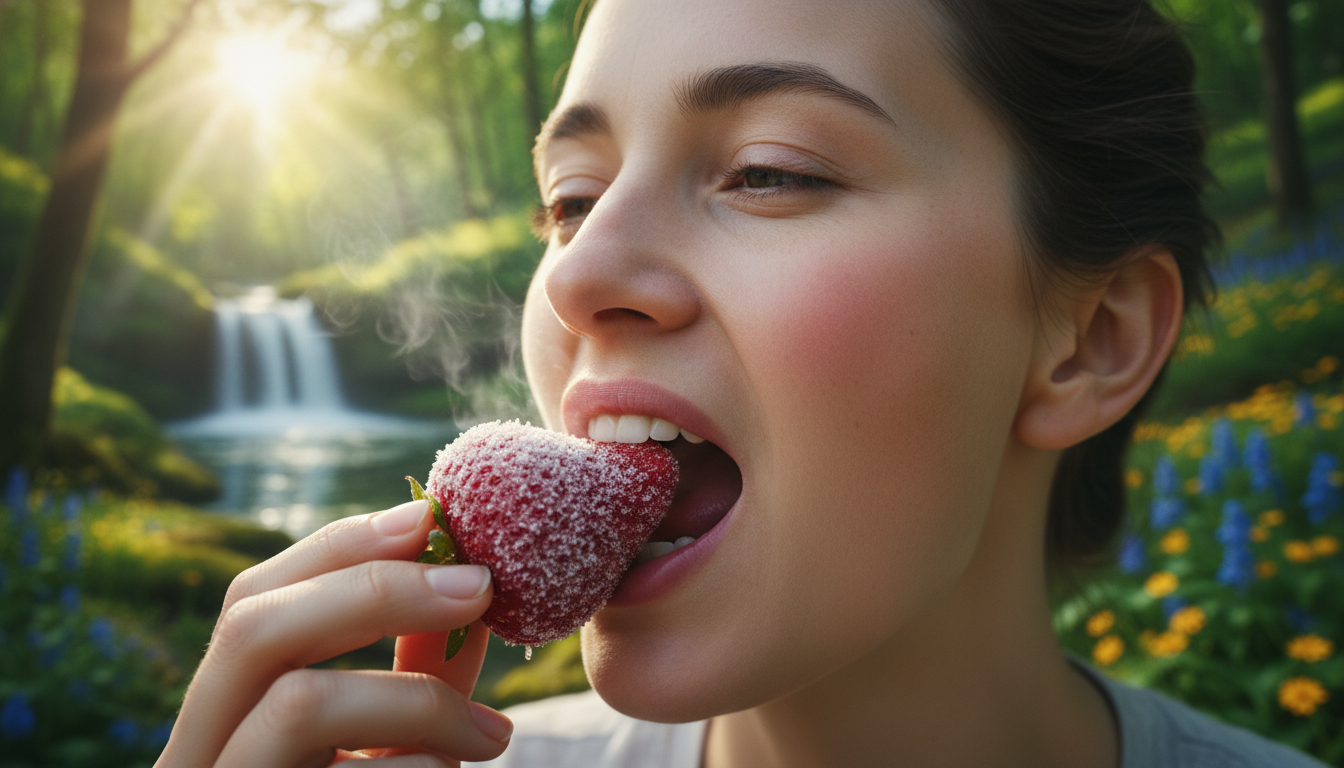
Meanwhile, frozen fruit is picked when it’s actually ripe—when it tastes the way fruit is supposed to taste—then flash-frozen to lock in that moment.
So does frozen fruit taste the same as fresh?
Sometimes no. But sometimes… it tastes better.
Let’s break this down—without the marketing fluff.
What Happens to Fruit When It’s Quick Frozen
IQF doesn’t remove flavor.
IQF locks flavor.
Especially IQF fruit (Individually Quick Frozen)—the industry’s fancy name for:
“We froze it fast so it wouldn’t turn mushy or lose nutrients.”
When fruit is ripe-frozen, the taste stays honest:
- Sweetness stays.
- Tanginess stays.
- Aroma stays.
- Nutrients stay.
So the flavor survives.
But the texture changes.
And that’s where the real difference lies.
Texture: Where Fresh and Frozen Differ
Freezing forms tiny ice crystals inside the fruit.
Result?
- Soft fruits = no problem (they were soft anyway).
- High-water fruits = texture gets looser.
Think of it like this:
-
Blueberries frozen? Perfect.
Watermelon frozen? Drinkable… not chewable.
If you expect bite-and-crunch, fresh wins.
If you’re blending, stirring, baking, or topping—frozen is flawless.
Flavor: Why Ripe-Freeze > Transport-Fresh
For flavor, timing is everything.
Fresh fruit in stores is:
- Picked early (so it survives shipping)
- Ripened artificially (not on the plant)
- Looks great, often tastes… meh.
Frozen fruit is:
- Picked when naturally sweet
- Frozen immediately
- Captures the fruit’s peak flavor moment
So yes, frozen fruit often tastes more like real fruit than “fresh” fruit does.
Wild, but true.
Which Fruits Freeze Exceptionally Well
These taste almost identical, frozen vs fresh:
They stay flavorful. They stay bright. They stay themselves.
Which Fruits Don’t Freeze Perfectly
High-water fruits don’t love the freezer:
- Watermelon
- Grapes
- Papaya
- Apple
- Pear
They turn softer. Not bad—just… different.
Still great for smoothies, sauces, or toppings.
Best Ways to Use Frozen Fruit for Maximum Flavor
If you want frozen fruit to shine:
- Blend into smoothies (creamy + sweet)
- Mix into oatmeal or yogurt
- Bake into pies, muffins, pancakes
- Make fruit pops & compotes
Frozen fruit thrives where flavor matters more than crunch.
Where FRUT Fits?
We don’t say frozen fruit is “better”.
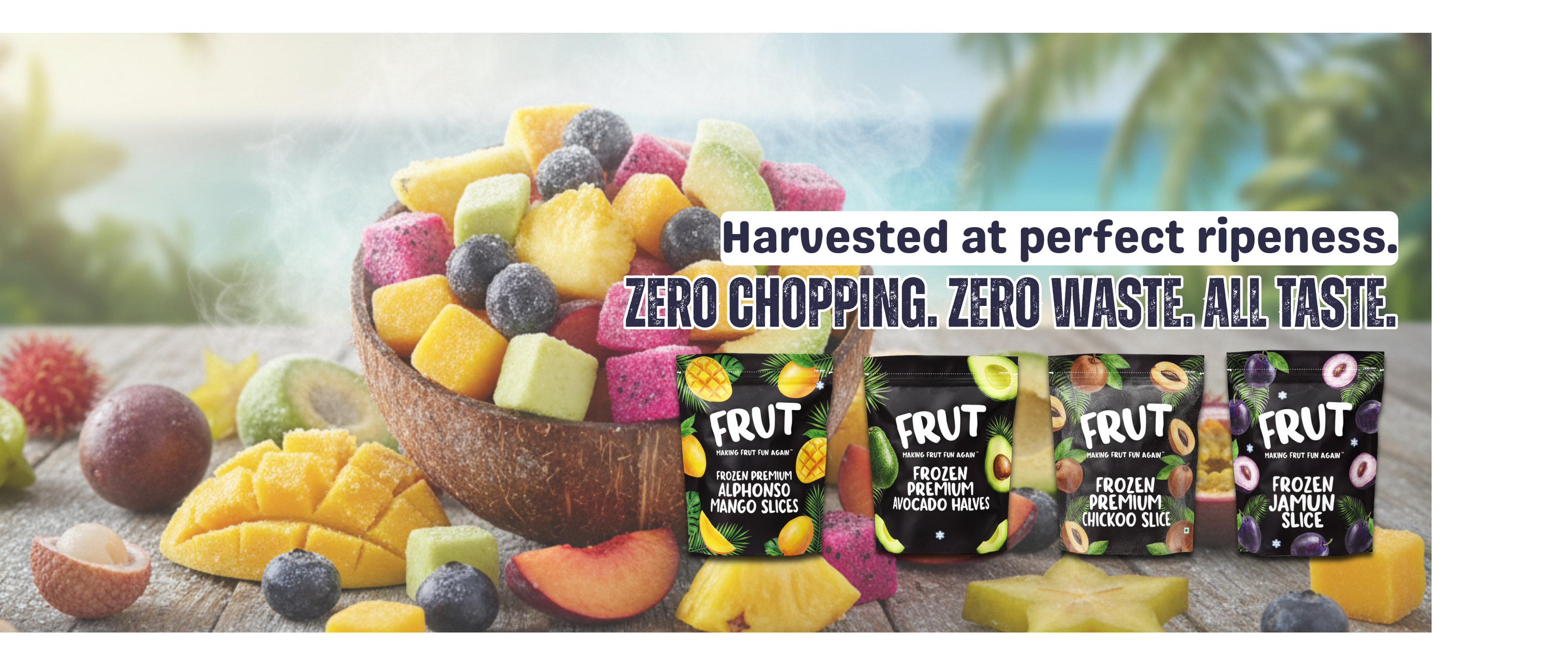
We say at FRUT, we freeze fruit at peak ripeness using IQF technology.
No sugar. No preservatives. No colors.
Just the fruit. As it actually tastes in nature.
If you want fruit that tastes good every single time, not just when the season cooperates—
frozen makes sense.
Conclusion: Does Frozen Fruit Taste the Same as Fresh?
Not always. But when it comes to:
- Smoothies
- Bowls
- Desserts
- Everyday convenience
Frozen fruit doesn’t just match fresh—it often wins.



Share:
Frozen Fruit vs Fresh Fruit: Which One Should You Actually Be Eating?