
Frozen Fruit vs Fresh Fruit for Smoothies: Which One Works Better?
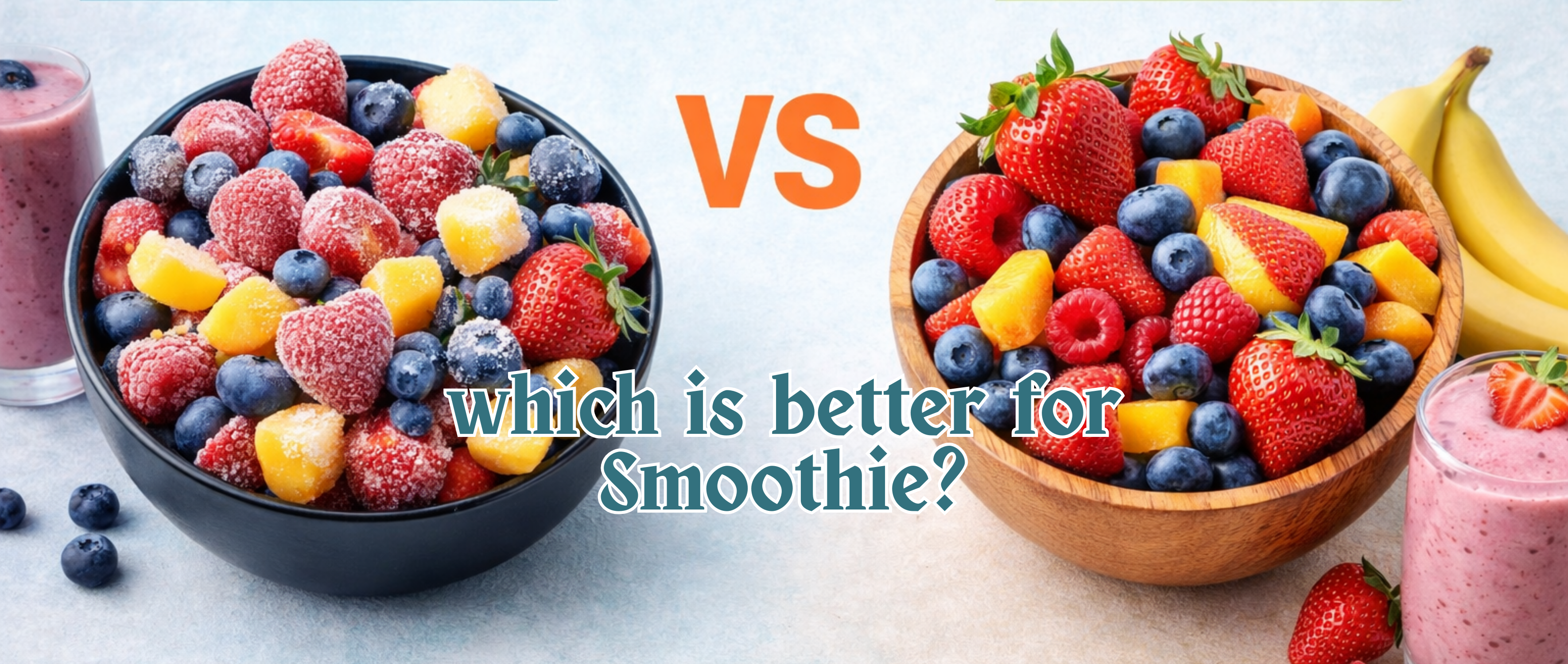
Let’s be honest. If you make smoothies, you’ve probably asked yourself whether frozen fruit tastes the same as fresh fruit and which one blends better. Here’s the reality that often goes unspoken: Smoothies are not about how the fruit looks on the cutting board. They focus on taste, texture, and convenience.
Instead of idealising the fruit bowl on the dining table, let’s discuss the real science of smoothies.
Flavor & Texture: What Changes When You Blend
Texture is the smoothie. Frozen fruit completely changes the game here.
Fresh Fruit in Smoothies:
- Softer texture
- More water
- Can make smoothies thin and sometimes bland if the fruit isn’t fully ripe.
Frozen Fruit in Smoothies:
- Naturally thickens your drink
- Provides that creamy, café-style texture
- Makes smoothies colder without ice(ice dilutes flavor, but fruit does not).
So if you're looking for thick, cold, satisfying smoothies, frozen fruit is the best choice every time.
Nutrition: Does Frozen Maintain Vitamins and Fibre?
This is where most people get fooled. Fresh fruit in stores:
Fresh fruit in stores:
- Picked early so it can survive transport.
- Ripens on shelves, not on the plant.
- Loses nutrients every day it sits waiting to be sold.
IQF Frozen Fruit:
- Picked ripe, when nutrients peak.
- Flash-frozen to lock in vitamins, minerals, and antioxidants.
So no, IQF frozen fruit does not lose nutrition.
In many cases, it preserves more than "fresh" fruit that has been travelling all week. Fiber? Completely intact. Sugar? Naturally occurring but low GI Index, nothing added. Antioxidants? Still right there.
Shelf Life, Cost & Waste Comparison of IQF Frut vs Fresh Fruit:
|
Factor |
Fresh Fruit |
IQF Frozen Frut |
|
Shelf life |
2–5 days before guilt sets in |
Months. Zero waste. |
|
Cost |
Higher, varies by season |
More stable pricing |
|
Waste |
High — bruising, rotting, forgotten in fridge |
Zero — use only what you need |
If your smoothies are part of your daily routine, the math speaks for itself.
Thickness & Smoothie Consistency (This is Search Gold)
Want that thick, spoonable, Instagram smoothie bowl texture?
You need frozen fruit.
Frozen fruit gives you natural thickness. Fresh fruit will lead to adding ice, which melts and turns your smoothie into sad juice.
When IQF Frozen Makes More Sense
- For smoothies (always)
- For people who meal prep
- When you like a consistent taste every day
- When you need Fruit in all seasons
- When you don’t have time to peel, chop, wash, pray for ripeness.
Basically, if your smoothie is part of your lifestyle, frozen is your friend.
Quick Smoothie Ideas Using Frozen Fruit
1. Green Glow
- Frozen mango
- Spinach
- Yogurt
- Honey
-
Water
2. Berry Protein Crush
- Frozen mixed berries
- Banana
- Protein powder
-
Almond milk
3. Gut-Friendly Breakfast
- Frozen blueberries
- Oats
- Chia
- Curd
Thick. Creamy. Consistent. Every time.
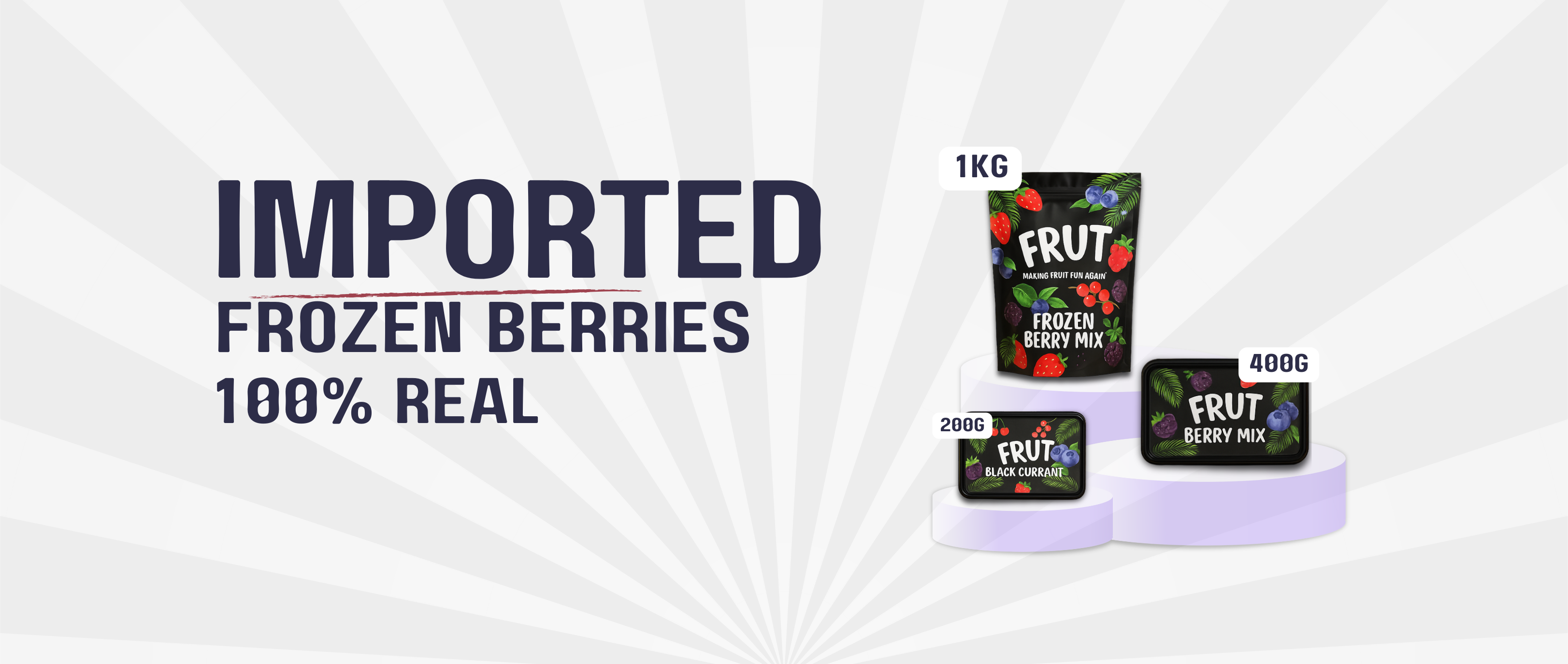
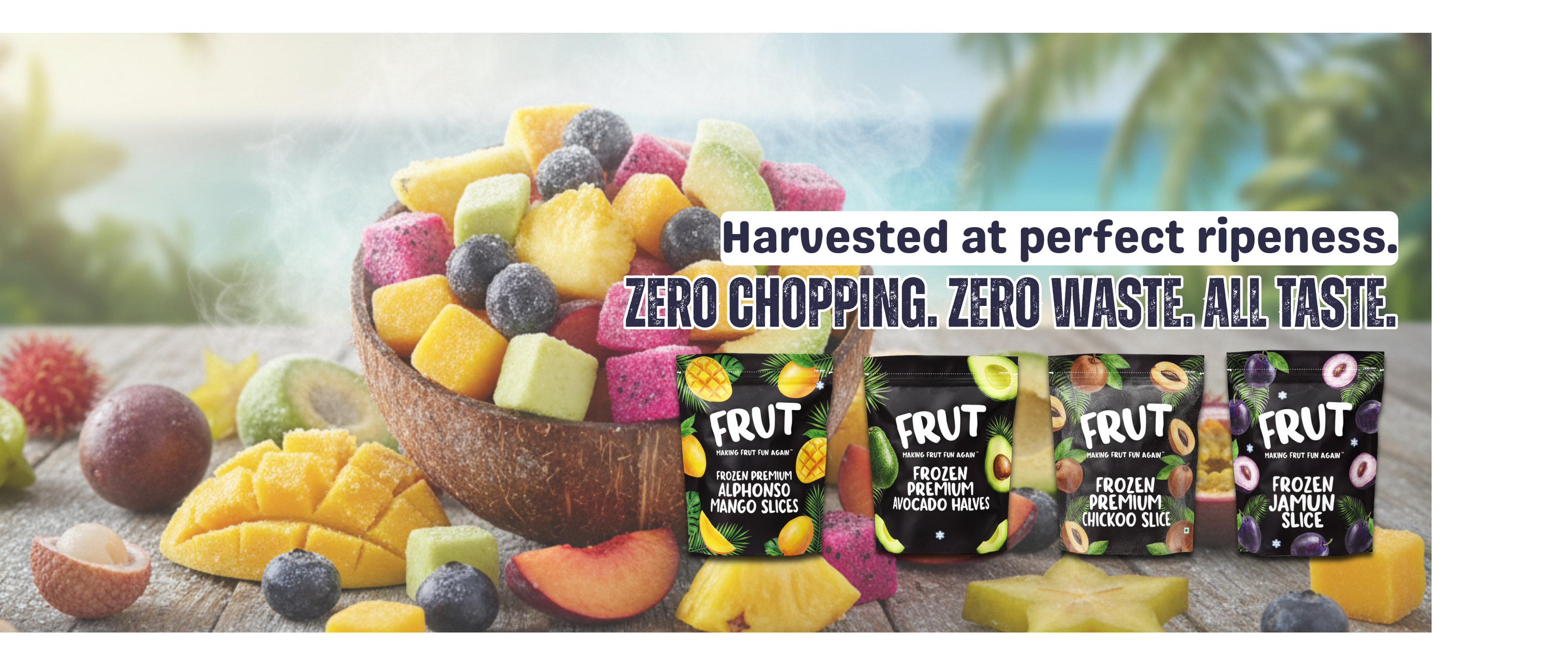
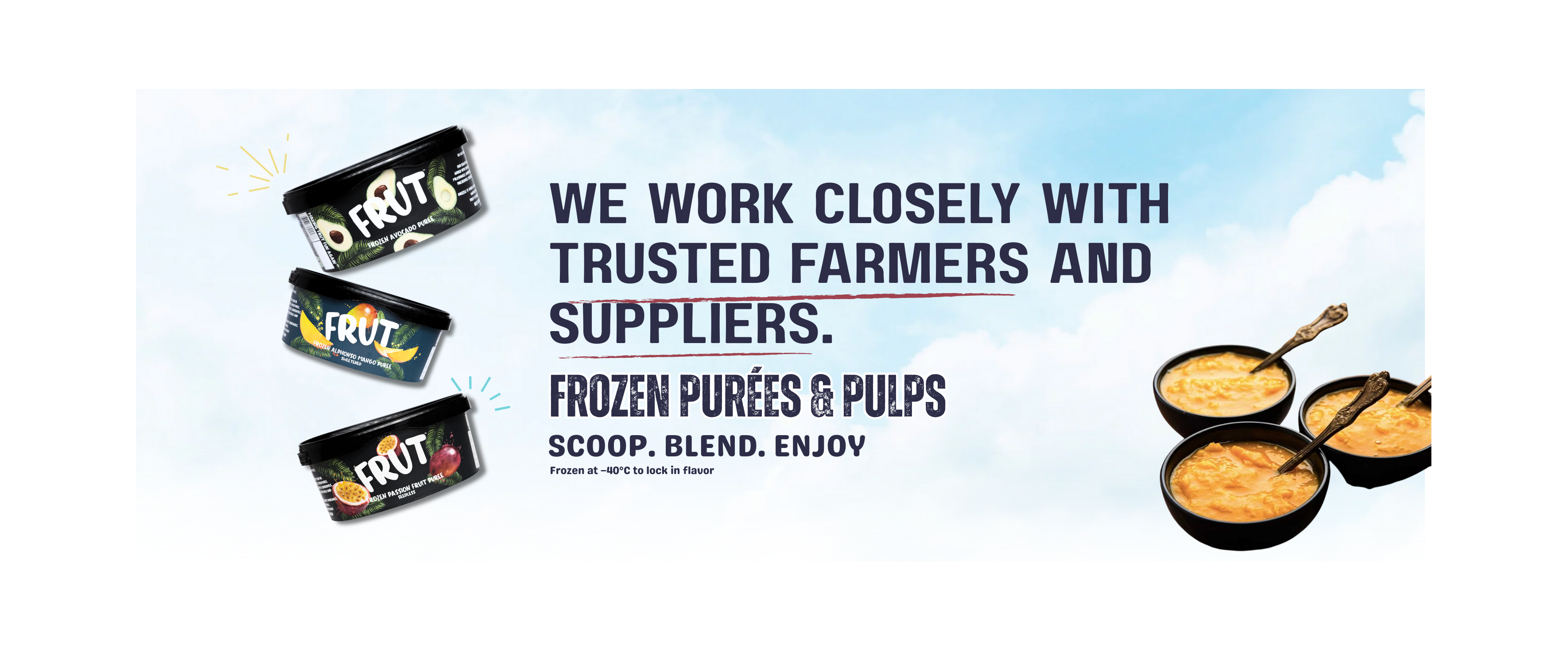
Where FRUT Fits:
If you want fruit that:
- Is picked ripe,
- Has no added sugar,
- Has no chemicals,
- Has no preservatives,
- Has no nonsense,
- 100% Yield. Zero loss.
Then that’s what FRUT does.
Share:
Best Frozen Fruits for Diabetics: What Actually Works (And What Doesn’t)
Which Frozen Fruit Has the Most Fiber? (The Answer Is Surprisingly Delicious)
1 comment
Great comparison! Frozen fruit is definitely more convenient and works really well for smoothies in terms of texture and nutrition. Fresh fruit still has its place, but frozen is a smart choice for consistency. Companies like Shimla Hills Offerings Pvt Ltd are also doing great work in maintaining quality with frozen and processed fruits.