


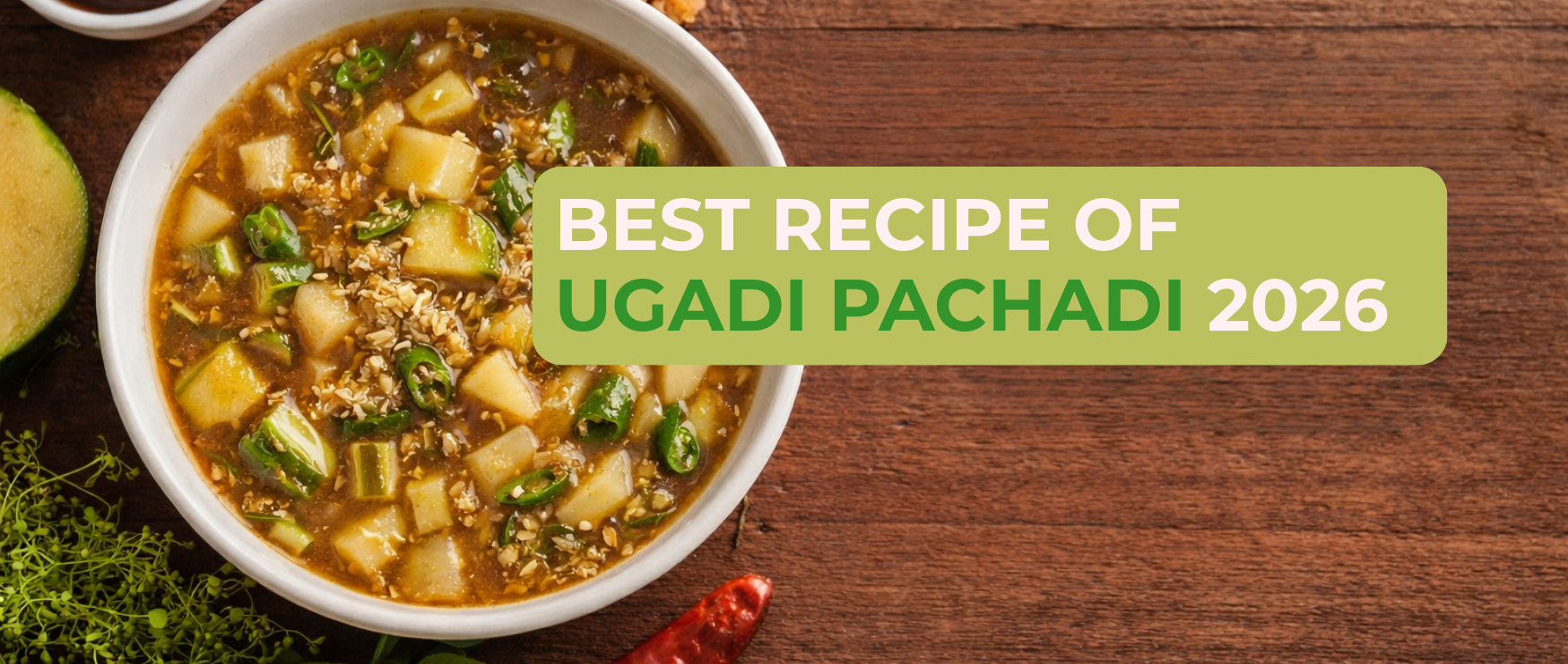
Best Recipe of Ugadi Pachadi 2026: Ingredients, Meaning & Easy Preparation Guide
The best recipe of Ugadi Pachadi 2026 is more than just a festive dish—it is a reflection of tradition, culture, and the philosophy of life itself. Ugadi, celebrated as the New Year in Andhra Pradesh, Telangana, and Karnataka, marks the beginning of a new lunar cycle. The preparation of Ugadi Pachadi dates back centuries and is believed to have been introduced as a symbolic way to represent life’s different experiences through food.
Prepared on Ugadi morning, this dish combines six distinct tastes, each representing emotions like happiness, sadness, anger, and surprise. Even in 2026, as kitchens become more modern, this tradition continues to hold deep cultural value. This guide will help you understand the authentic recipe, the meaning behind each ingredient, and how to prepare it easily at home.

What Makes the Best Recipe of Ugadi Pachadi 2026 Special?
The uniqueness of this dish lies in its balance. Unlike most Ugadi recipes, Ugadi Pachadi is not about taste alone—it’s about symbolism.
The Six Flavours of Life (Shadruchulu)
Each ingredient represents a human emotion:
-
Sweet (Jaggery) – Joy and happiness
-
Sour (Tamarind) – Challenges
- Bitter (Neem flowers) – Sadness or difficulties
-
Spicy (Chilli/pepper) – Anger or intensity
-
Salty (Salt) – Interest and engagement
-
Astringent (Raw mango) – Surprise and unpredictability
This is why the best recipe of Ugadi Pachadi 2026 is one that maintains a perfect balance of all six tastes.
Ugadi Pachadi Ingredients (Traditional & Essential)
Understanding the Ugadi pachadi ingredients is crucial for authenticity.
Core Ingredients List
-
Raw mango (finely chopped)
-
Neem flowers (fresh or dried)
-
Jaggery (grated or powdered)
-
Tamarind pulp
-
Green chilli or black pepper
-
Salt
-
Water
Why These Ingredients Matter
Raw Mango
Seasonal and rich in Vitamin C, it adds freshness and a slight tang.
Neem Flowers
Known in traditional Indian practices for their medicinal properties.
Jaggery
Provides natural sweetness and balances bitterness.
Tamarind
Enhances sourness and aids digestion.
Chilli / Pepper
Adds heat and depth to the dish.
Salt
Brings all flavours together.
Best Recipe of Ugadi Pachadi 2026 (Step-by-Step Guide)
This is a simple and authentic method designed for modern kitchens while staying true to tradition.
Preparation Time
10–15 minutes
Step 1: Prepare Tamarind Extract
Soak tamarind in warm water for 10 minutes and extract a smooth pulp.
Step 2: Add Jaggery
Mix jaggery into the tamarind pulp until fully dissolved.
Step 3: Add Raw Mango
Add finely chopped raw mango pieces to introduce tang and crunch.
Step 4: Add Neem Flowers
Sprinkle neem flowers into the mixture.
Step 5: Add Spice and Salt
Add chopped green chillies (or pepper) and salt.
Step 6: Adjust Consistency
Add water as required and mix well.
Final Result
A perfectly balanced festive dish combining all six tastes—ready to be served fresh.
Tips to Make the Best Ugadi Pachadi in 2026
-
Use fresh seasonal mangoes for an authentic flavour
-
Balance jaggery and tamarind carefully
-
Do not skip neem—it defines the dish’s identity
-
Keep the texture slightly liquid, not thick
-
Serve immediately for the best taste
Easy Ugadi Recipes: Making It More Convenient
Modern kitchens demand speed and efficiency. Here’s how you can simplify preparation:
- Use pre-cut or frozen raw mango pieces
-
Keep ready-made tamarind pulp
-
Use powdered jaggery for quick mixing
These small changes make it one of the most practical, easy Ugadi recipes without losing authenticity.
Nutritional & Functional Benefits
Ugadi Pachadi is not just symbolic—it has real nutritional value:
-
Raw mango supports immunity (Vitamin C)
-
Neem is known for its antibacterial properties in traditional use
-
Jaggery contains iron and minerals
-
Tamarind supports digestion
This makes the dish both culturally meaningful and nutritionally relevant.

Share:
10 Best Frozen Sour Cherry Recipes You Need to Try
Blueberry Madeleine Recipe: A French Delight with a Floral Chocolate Twist