



Are Frozen Strawberries Good for You?
Frozen fruit often has a bad reputation. Many people think it is less nutritious than fresh produce, more processed, or somehow inferior. This brings up an important question: are frozen strawberries good for you?
The short answer is yes, when they are unsweetened and stored correctly. However, the complete answer requires knowing how strawberries are harvested, frozen, and preserved. Modern freezing methods lock in nutrients at peak ripeness. They often keep vitamins and antioxidants better than fresh berries that travel long distances and sit in storage. This guide looks at the nutritional profile, health benefits, safety concerns, and practical uses of frozen strawberries, so you can make a smart decision based on facts, not assumptions.
Are Frozen Strawberries as Healthy as Fresh Strawberries?
To find out if frozen strawberries are good for you, it's important to compare them with fresh strawberries.
Fresh strawberries spoil quickly. After they are picked, they start to lose vitamin C, and their nutrients begin to decline. Factors like exposure to oxygen, temperature changes, and long storage times all impact their nutritional quality. By the time fresh strawberries get to a consumer's fridge, several days may have gone by.
Frozen strawberries are usually processed using quick freezing methods like IQF (Individually Quick Frozen). This method keeps the fruit fresh shortly after it is harvested, when nutrient levels are highest.
What Freezing Preserves:
Freezing slows down enzyme activity without using heat. Because of this, the following nutrients stay mostly intact: -
- Dietary fiber
- Potassium
- Manganese
- Most antioxidants, including anthocyanins
- Polyphenolic compounds
Vitamin C might see a small drop after long storage times, but in general, nutrient retention is high. In many real-life situations, frozen strawberries can be nutritionally similar to fresh strawberries that have been shipped and stored for several days.
Nutritional Value of Frozen Strawberries
Understanding whether frozen strawberries are healthy for you requires examining their nutrient composition.
Strawberries are low in calories and packed with essential nutrients. A typical serving offers:
- Vitamin C, which supports immune health and collagen production
- Manganese, which helps with metabolism and antioxidant defence
- Folate, which is important for cell function
- Potassium, which supports heart and muscle function.
They are also high in water and fibre, helping with hydration and digestive health.
Antioxidant Content
Strawberries have strong antioxidants, such as:
- Anthocyanins, which give them their red colour
- Ellagic acid
- Flavonoids
These compounds help lower oxidative stress in the body. Freezing does not seriously damage these antioxidants when strawberries are stored properly.
Do Frozen Strawberries Lose Nutrients During Freezing?
This is one of the main concerns behind the question: Are frozen strawberries good for you?
Freezing does not eliminate nutrients like prolonged heat does. Since strawberries are usually quickly frozen (IQF) without blanching, most vitamins and phytochemicals stay intact.
There might be slight changes in texture due to ice crystal formation, but this does not lead to significant nutrient loss. Nutrient retention depends on:
- Consistent freezer temperature
- Minimal exposure to air
- Avoiding repeated thawing and refreezing
Under the right conditions, frozen strawberries can keep their nutritional value for several months.
Health Benefits of Frozen Strawberries
If frozen strawberries keep their nutrients, what does that mean for our health?
Cardiovascular Support:
Strawberries support heart health because of their fibre and antioxidant content. Antioxidants help reduce oxidative stress, which is linked to heart disease. Potassium helps maintain normal blood pressure.
Digestive Health
Fibre in strawberries supports:
- Regular bowel movements
-
Healthy gut microbiota
-
Improved satiety
Freezing does not reduce fibre content, making frozen strawberries equally supportive in this regard.
Immune Function:
Strawberries are well known for their vitamin C content. Vitamin C helps with immune response and collagen formation. Although there may be minor losses over time, frozen strawberries remain a good source.
Blood Sugar Management
Even though strawberries taste sweet, they have a low glycemic load. Fibre slows down glucose absorption, which helps keep blood sugar levels steady when eaten with balanced meals.
Are Frozen Strawberries Good for Weight Management?
For many consumers, managing weight is a key reason they explore this topic.
Frozen strawberries can help with a low-calorie diet because they are:
- Low in calories
- Naturally sweet
- High in fibre
- Free from added sugars
When unsweetened Fiber promotes fullness and might help lower overall calorie intake. Replacing processed desserts with fruit is a practical way to improve diet quality.
However, it’s important to choose plain frozen strawberries instead of sweetened or syrup-packed ones, which add a lot of sugar.
Are Frozen Strawberries High in Antioxidants?
Yes, strawberries are naturally rich in antioxidant compounds.
Anthocyanins and ellagic acid help neutralise free radicals. Oxidative stress is connected to ageing and chronic health issues. Foods high in antioxidants support the body’s defense system.
Since strawberries are usually frozen at their peak ripeness, their antioxidant levels show the best harvest timing. Freezing does not significantly reduce these compounds, so frozen strawberries remain a reliable source throughout the year.
Do Frozen Strawberries Contain Added Sugar?
Plain frozen strawberries have only the natural sugars from the fruit itself.
Consumers should read ingredient labels carefully. Look for:
- 100% strawberries
- No added sugar
- No syrup
- No preservatives
Avoid products labelled as:
- Sweetened
- In syrup
- Added sugar.
Choosing clean-label frozen strawberries ensures you get the nutritional benefits without unnecessary additives.
Are Frozen Strawberries Safe to Eat Without Cooking?
Commercially frozen strawberries are handled according to food safety rules. They are usually safe to eat after thawing.
- Best practices include:
- Storing at consistent freezer temperatures
- Avoiding refreezing after thawing
- Washing if thawed for direct consumption.
For people with weak immune systems, gently heating frozen strawberries may provide additional safety.
Who Should Exercise Caution?
Most individuals can safely include frozen strawberries in their diet. However,
- Individuals with strawberry allergies should avoid them.
- Those managing specific medical conditions should consult healthcare professionals.
- People monitoring sugar intake should confirm that products are unsweetened.
Moderation and label awareness are important.
How to Add Frozen Strawberries to Your Diet
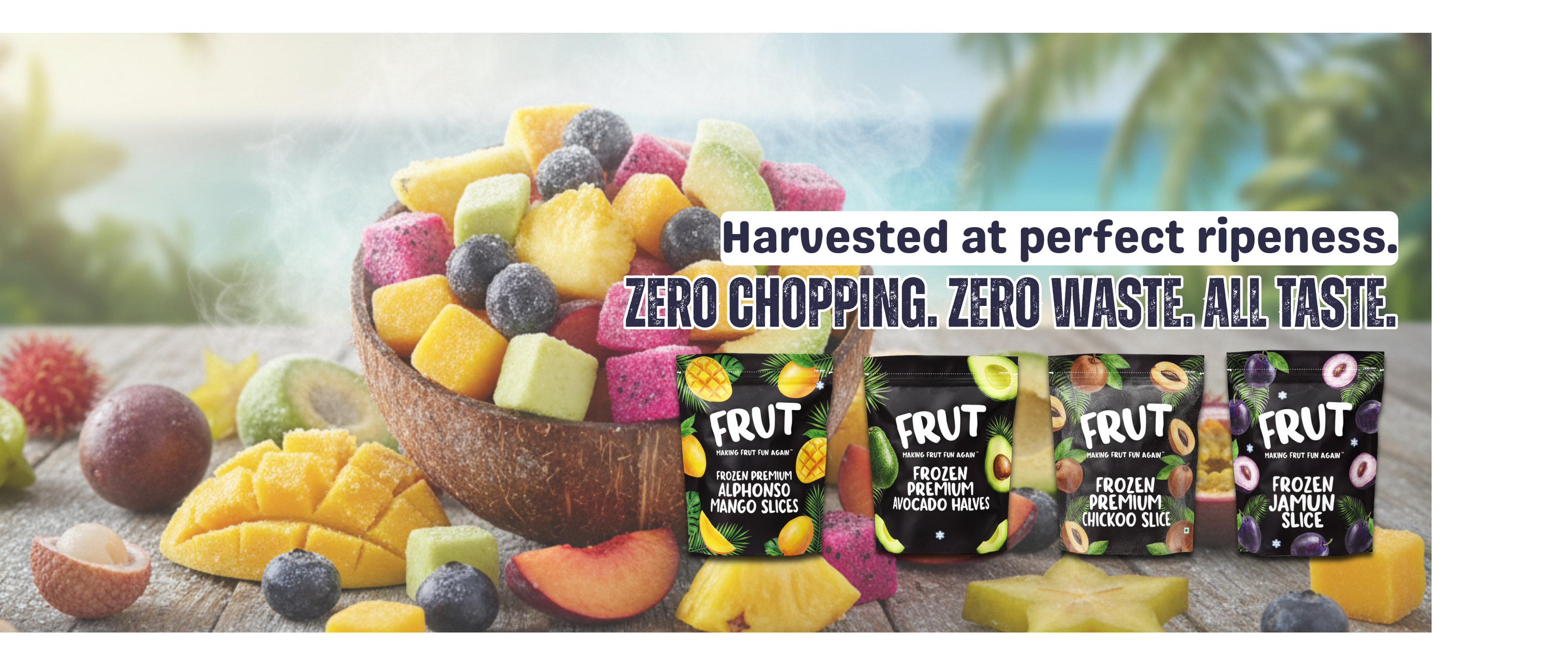
Practical use increases consistency. Frut Frozen strawberries offer convenience and reduced waste compared to fresh berries.
They can be incorporated by:
-
Blending into smoothies
-
Mixing into yoghurt or oatmeal
-
Adding to whole-grain cereal
-
Using in baking
-
Preparing homemade fruit sauces
Because they are pre-washed and ready to use, they reduce preparation time and spoilage risk.










Share:
Are Frozen Raspberries Good for You? A Complete, Evidence-Based Guide
Benefits of Seasonal Fruits in Indian Festivals