


Why Frozen Fruits Are Higher in Nutrition Than Fresh Fruits
The Truth Most People Don't Know. Many people believe that fresh is always better when it comes to fruits. When you enter a kitchen, you often see individuals choosing fresh mangoes over frozen ones, convinced that the frozen option has lost something essential. However, science reveals a more intriguing story. The question of why frozen fruits can be more nutritious than fresh ones has been explored by food researchers for decades. The results consistently defy common assumptions. Frozen fruits, especially those processed with IQF (Individually Quick Frozen) technology, often hold more vitamins, antioxidants, and phytonutrients than fresh fruits that spend days travelling from the farm to the store. This blog breaks down the nutritional comparison and discusses why frozen might actually be the better choice.
The Fresh Fruit Illusion: What 'Fresh' Really Means at the Supermarket
When you grab a container of fresh strawberries or a ripe mango from a supermarket, you’re dealing with fruit that has gone through a long journey. Most commercially sold fresh fruit is picked before it reaches the peak of ripeness — and this is intentional. Fully ripe fruit would bruise, ferment, or spoil before it even arrives at the store. Instead, fruits are harvested at an early stage, kept in temperature-controlled settings, and allowed to ripen artificially (sometimes using ethylene gas) during transport or storage. As a result, the fruit may appear ripe but has not had enough time on the plant to develop its full nutritional profile. Vitamins, antioxidants, and flavour compounds continue to form until — and just past — the point of peak ripeness.
When this process is interrupted, so is the fruit's nutritional content. Adding to this issue is the time it takes to get the fruit from the farm to your kitchen. The typical supply chain for imported fresh fruit can take anywhere from a few days to several weeks. During this time, heat-sensitive vitamins like vitamin C and several B vitamins start to break down. Exposure to oxygen, light, and temperature changes speeds up this process. By the time you eat that 'fresh' fruit, a significant amount of its original nutrient content may already be gone.
Why Frozen Fruits Are Higher in Nutrition: The Science of IQF Processing
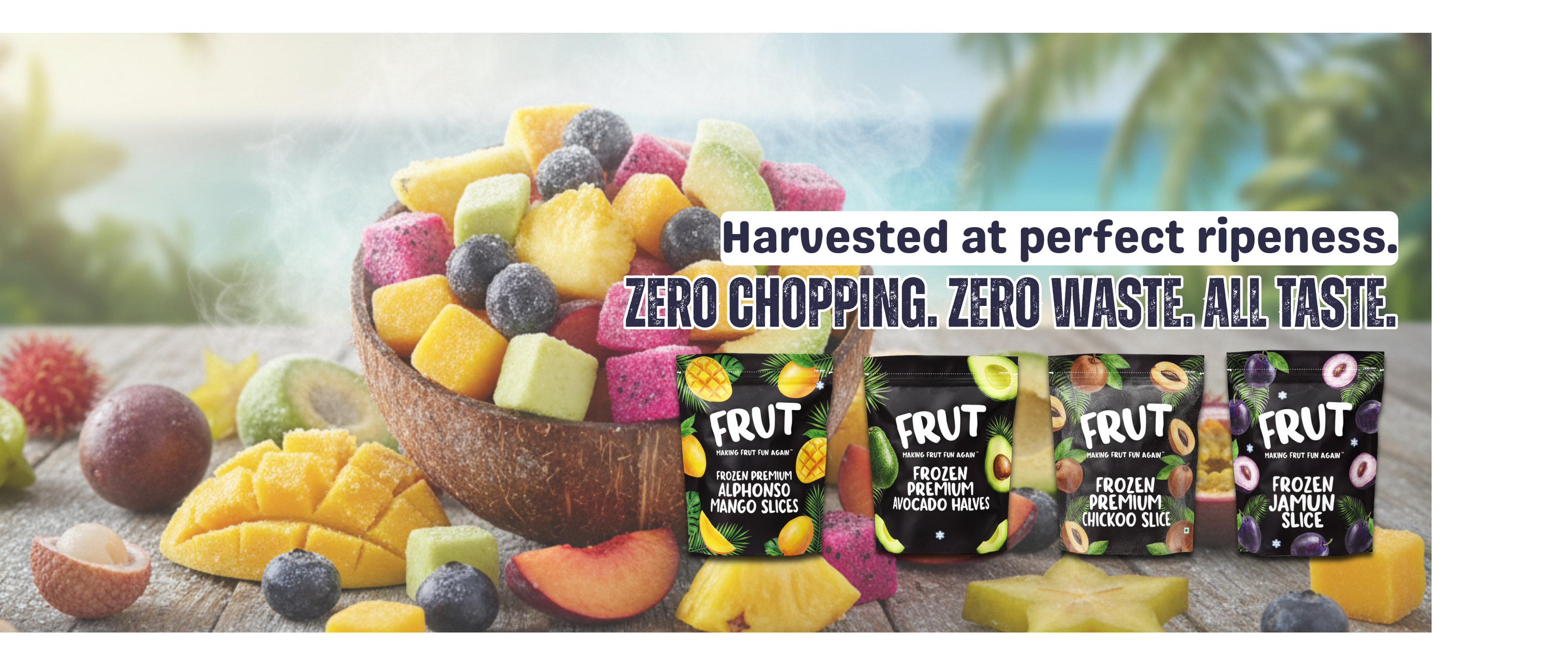
To understand why frozen fruits can be more nutritious than fresh ones, we need to look at the timing of the freeze. IQF — Individually Quick Frozen — technology freezes fruit within hours of harvest at the moment of peak ripeness. At this stage, the fruit has its highest levels of vitamins, antioxidants, polyphenols, and natural sugars. Freezing preserves all of those nutrients.
Unlike slow freezing, which can damage cell walls and lead to nutrient loss through ice crystal formation, IQF freezes each piece quickly and individually. The nutritional profile captured at harvest is almost entirely maintained. There’s no degradation during transport, no weeks in cold storage, and no artificial ripening.
What the Research Actually Shows
Several independent studies comparing the nutritional content of fresh and frozen produce have found that frozen fruits often have equal or higher levels of key nutrients, particularly vitamin C, vitamin E, beta-carotene, and various antioxidants. Research published in peer-reviewed nutrition journals has shown substantial losses of vitamin C in fresh produce over the days after harvest, while frozen options maintain stable nutrient levels throughout their storage.
This isn’t just a minority opinion. It reflects the basic biochemistry of how vitamins react to heat, oxygen, and time — and how freezing effectively stops that process.
Antioxidant Retention in Frozen Fruits
Antioxidants, the compounds that protect cells from damage and are linked to lower risks of chronic diseases, are among the most sensitive nutrients in fruit. Polyphenols, anthocyanins (which give berries their deep colour), and vitamin C begin to degrade within hours of harvest if exposed to normal conditions. Studies have consistently shown that frozen berries retain high levels of anthocyanins, the antioxidants that make blueberries, raspberries, and blackberries so nutritionally valuable. When these same berries are fresh and sit in transit or on a shelf for three to five days, their anthocyanin levels can noticeably decline.
Frozen Berries vs Fresh Berries: A Closer Nutritional Look
Berries are some of the most nutritious fruits available, packed with fibre, vitamins, minerals, and some of the highest concentrations of antioxidants found in any food. However, they are also among the most perishable. Fresh blueberries, raspberries, and strawberries last only two to three days at room temperature. Even in the refrigerator, they start losing texture and nutritional value within a week.
Why Fresh Berries Lose More Than You Think.
The issue with fresh berries begins before they reach your home. Most commercially available fresh berries are shipped in refrigerated containers from growing regions that can be hundreds or thousands of kilometres away. Even under ideal conditions, the vitamin C content in fresh strawberries can drop significantly over the first few days after harvest. By the time a consumer buys them and leaves them in the fridge for a couple of days before eating, the nutritional gap widens even further.
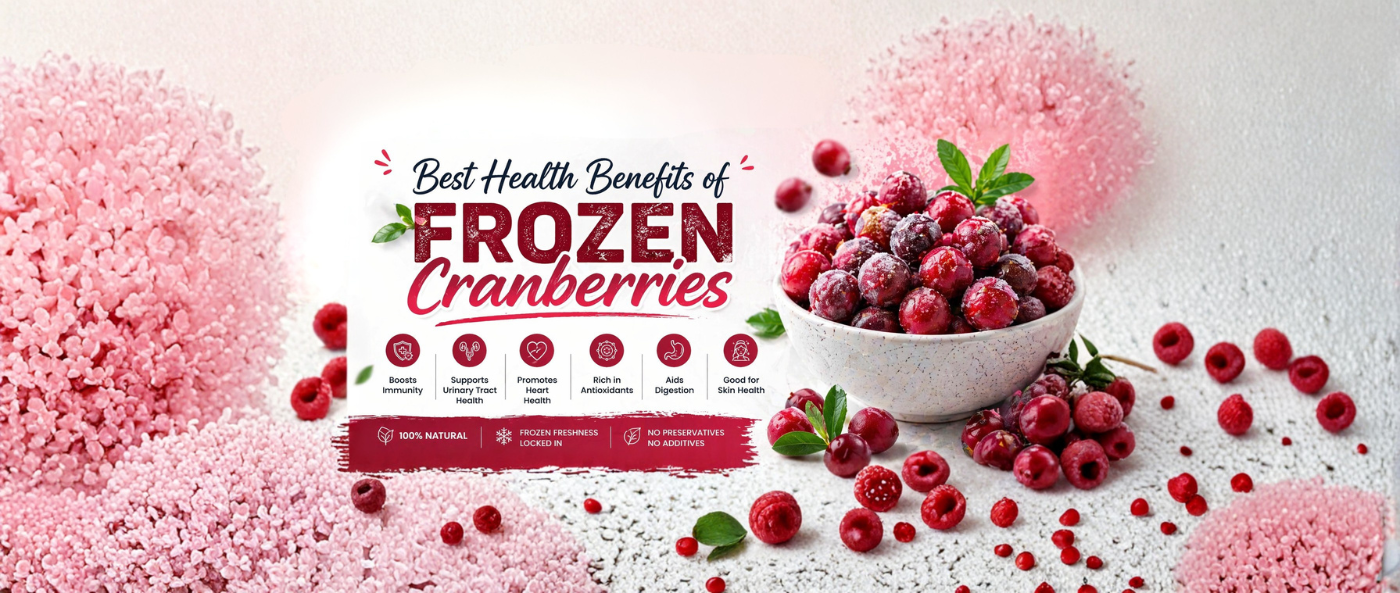
Frozen berries avoid this problem completely. They are picked at the optimal moment, frozen within hours, and then stored in a stable frozen state. Every time you open a bag of frozen blueberries or raspberries, you get the nutritional peak of that fruit, captured and preserved on the day it was harvested.
Fibre, Minerals, and Macronutrients: Where Frozen Holds Steady
It’s important to note that not all nutrients are equally impacted by the fresh-versus-frozen debate. Fibre, minerals (like potassium, magnesium, and manganese), and macronutrients (carbohydrates, natural sugars) remain stable in both fresh and frozen fruits — the freezing process does not significantly change these. The main differences arise in heat-sensitive vitamins and antioxidant compounds, where frozen fruits consistently outperform fresh ones that have been stored for several days.
The Hidden Nutrient Loss in Fresh Fruits: From Farm to Fork.
To truly grasp why frozen fruits often beat fresh ones in nutritional comparisons, it helps to trace the journey of a typical piece of fresh fruit from the farm to your kitchen.
Stage 1: Harvest
Fresh fruit is picked before peak ripeness to survive transport. This interrupts nutritional development. The fruit will never reach the same levels of vitamins and antioxidants as it would have if left to ripen naturally on the plant.
Stage 2: Packing and Cold Storage
After being harvested, fruit is sorted, packed, and sent to cold storage for transport. Depending on where it comes from, this stage can last anywhere from one to three weeks for imported varieties. Even in optimal conditions, enzyme activity and oxidation continue slowly, breaking down some vitamins.
Stage 3: Distribution and Retail
Fruit moves from storage to distribution centres, then to supermarkets and stores. Temperature fluctuations during this segment — at loading docks, in transport vehicles, and in display refrigerators — further speed up nutrient loss. By the time the fruit reaches the retail shelf, it may already be one to two weeks post-harvest.
Stage 4: Consumer Storage
Finally, the consumer buys the fruit and stores it at home — sometimes for several more days before eating. At this point, especially for fruits high in vitamin C, the total nutrient loss can be substantial. Research indicates that fresh fruits stored at room temperature for just a few days can lose a significant percentage of their vitamin C content. In contrast, frozen fruit is harvested at its peak ripeness, IQF-frozen within hours, and stored at -18°C in a stable state until it’s ready to be used. There’s no degradation in the supply chain and no cumulative nutrient loss from storage and transport. The nutritional value you access is the same as what was captured at harvest.
Does Freezing Destroy Any Nutrients? Addressing the Common Concern
This is a valid and significant question. The honest answer is: yes, some nutrient loss can happen during freezing, but it’s usually minimal and much less than what occurs with prolonged storage of fresh fruit.
Blanching and Its Effect on Water-Soluble Vitamins.
Some frozen vegetables (though less frequently fruits) undergo blanching — a short heat treatment — before freezing. This process can lead to some loss of water-soluble vitamins like vitamin C and certain B vitamins. However, most frozen fruits — such as frozen berries, frozen mango, frozen pineapple, and other tropical fruits — aren’t blanched. They go directly from harvest to IQF freezing, meaning this concern mostly does not apply to frozen fruits.
Texture Changes Are Not Nutritional Losses
One of the most common objections to frozen fruit is that it becomes soft after thawing. This is true; the freezing process does change the structure of fruit, which is why thawed berries are softer than fresh ones. But this is a change in texture, not in nutrition. The vitamins, antioxidants, and minerals remain intact. For most culinary uses—smoothies, cooking, baking, and blending—the texture difference doesn’t matter. When eating frozen fruit straight from the freezer, the firm texture can actually be an advantage.
Long-Term Frozen Storage and Nutrient Stability
Research shows that properly frozen fruits stored at -18°C keep their nutritional profile for many months. The key is maintaining a consistent temperature and using proper packaging to avoid freezer burn. Under these conditions, frozen fruit is nutritionally stable in a way that fresh fruit can't be maintained over the same period.
Specific Nutrients Where Frozen Fruits Consistently Excel
Instead of speaking in generalities, let's look at specific nutrients and how they compare between fresh and frozen fruit:
Vitamin C
Vitamin C is among the most studied and most vulnerable nutrients in fresh produce. It quickly oxidises when exposed to air and breaks down with heat and light. In fresh fruits stored for several days, measurable vitamin C losses are well documented. In IQF frozen fruits, vitamin C levels stay much more stable throughout storage—often matching or exceeding those found in 'fresh' produce at retail.
Anthocyanins and Polyphenols
These antioxidant compounds give berries their deep colours and are linked to heart health, anti-inflammatory effects, and cognitive function. The anthocyanin content in fresh berries noticeably declines in the days after harvest. Frozen berries retain these compounds effectively, making them a better source of these antioxidants compared to fresh fruit that has been in transit and on a shelf for several days.
Beta-Carotene
Found in high concentrations in fruits like frozen mango and frozen papaya. Beta-carotene is a precursor to vitamin A and an important antioxidant. Beta-carotene is more stable than vitamin C and holds up reasonably well in both fresh and frozen storage, but frozen fruits picked at just the right moment naturally have higher starting concentrations of this compound than fruit harvested early.
Folate (Vitamin B9)
Folate is essential for cell function and DNA synthesis and is particularly important during pregnancy. Like vitamin C, folate is sensitive to heat and oxidation. Frozen fruits picked at peak ripeness and frozen quickly tend to keep folate content better than fresh fruits that have spent time in transit and storage.
When Fresh Fruit Is Still the Better Choice
It's important to admit that fresh fruit is not always the worst option. There are specific situations where fresh fruit genuinely has an advantage:
- When the fruit is locally grown and consumed within a day or two of harvest, the supply chain is short, and there is minimal time for nutrient loss. A mango picked from a local farm and eaten the same day is as good as it gets.
- When texture is the main concern—for things like fresh fruit salads, whole fruit presentation at the table, or snacking, the firm texture of fresh fruit is preferred over the softness of thawed frozen fruit.
- When certain varieties are only available fresh, some heirloom or regional fruit varieties aren't commercially frozen, and their flavours may warrant choosing fresh, even with the nutritional trade-off. The point is not that frozen is always superior in every way.
The point is that the automatic assumption that fresh is always more nutritious isn't backed by evidence—especially when 'fresh' means produce that has spent one to three weeks in transit and storage.
Practical Nutrition: How to Get the Most from Frozen Fruits
Knowing that frozen fruits are nutritionally competitive with—and often better than—long-chain fresh produce is only helpful if you know how to make the most of them. Here are some areas where frozen fruits excel nutritionally and practically:
Smoothies and Blended Drinks
Blending frozen fruit keeps all of the nutritional value while creating a thick, cold texture. Frozen berries, in particular, make excellent smoothie bases—their flavour concentrates slightly with freezing, and the antioxidant content per serving remains high. There’s no need to add ice, which would dilute the nutrients in each glass.
Overnight Oats and Breakfast Bowls
Putting frozen berries or frozen mango chunks directly on overnight oats allows them to thaw gently overnight, releasing their natural juices and infusing the dish with flavour and nutrition. By morning, they are perfectly softened and ready to eat—no prep needed.
Cooking and Sauces
For dishes involving heat—compotes, fruit sauces, jams, or baked goods—frozen fruit works well. The texture change from thawing doesn’t matter once the fruit is cooked, and because it was frozen at peak ripeness, its natural sugar concentration and flavour intensity are often better than out-of-season fresh alternatives.
Portion Control and Reducing Food Waste
One often-overlooked benefit of frozen fruit is its consistency in portion size. When you want 80 grams of blueberries, you take 80 grams and put the rest back in the freezer. With fresh fruit, the need to avoid waste means you often eat more than you need. Frozen allows for precise nutritional intake without waste.
What to Look for When Buying Frozen Fruits
Not all frozen fruits are equal. To ensure you are actually getting the nutritional benefits discussed here, check a few things when selecting frozen produce:
- No added sugars or syrups—some frozen fruit products, especially for desserts, include sweeteners. For maximum nutritional value, choose plain frozen fruit with no additives.
- No preservatives—quality IQF fruit doesn't require preservatives. The freezing process itself preserves the fruit. If a label lists preservatives or additives, the product is likely lower quality.
- IQF designation—Individually Quick Frozen means that each piece of fruit was frozen quickly at peak ripeness, not slowly frozen in bulk (which can cause ice crystal damage and greater nutrient loss).
- Single ingredient—the ingredient list should include just 'Strawberries,' 'Mango,' or 'Mixed Berries.' If the list is longer than the fruit itself, look for another option.
- Country of origin and harvest method—reputable frozen fruit suppliers get their produce from regions where fruit is harvested in season at peak ripeness, not off-season with artificial ripening.
Final Thoughts: Rethinking What 'Fresh' Really Means
The evidence clearly shows that the nutritional advantages of frozen fruits come down to one key difference—the timing of the freeze. When fruit is captured at peak ripeness and frozen within hours of harvest, its nutritional profile is at its best. That moment is preserved. The complex, slow-degrading supply chain that 'fresh' commercial produce goes through cannot make the same claim.
This doesn't mean we should give up fresh fruit. Instead, we should make smarter choices based on the situation. When you can get genuinely local, recently harvested fruit, eat it fresh. When you reach for frozen berries, frozen mango, or frozen tropical fruits from a quality IQF supplier, you're not sacrificing nutrition.
In many cases, you're actually enhancing it. The nutrition is in the freezer. It was captured when the fruit was at its best. That's where quality frozen produce keeps it until you're ready to use it.




Share:
Top 15 High Fiber Fruits You Can Add to Smoothies
The Best Frozen Fruit for Baking — And Exactly How to Use It